



What is the difference between perfume and toilet water and cologne?

The author of this article is a renowned fragrance expert with over a decade of experience in the industry. With a passion for fragrances and a discerning palate, the author has written extensively on the art of perfumery for various publications.
The same fragrance can last on the skin for a full day. Or evaporate before lunch. It's not about the quality of the bottle or luck, but the percentage of aromatic oils dissolved in alcohol.
Perfume, eau de parfum, eau de toilette, and cologne are not levels of quality, but different formats of the same composition. The more oils dissolved in the base, the deeper the scent, the longer the longevity, and the higher the price per milliliter.
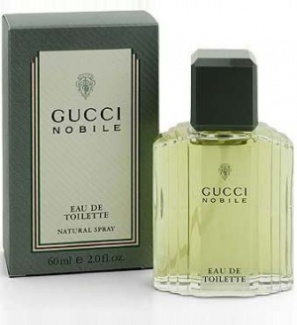
What lies behind the words 'perfume' and 'eau de toilette'
The boundaries between categories have never been rigid. Each house has its own formula, and the eau de toilette of one brand sometimes lasts longer than the eau de parfum of another. But the general logic works almost always, and it's worth knowing before you go to the counter.
The difference is determined by the proportion of aromatic concentrate in the alcohol base. The higher this proportion, the denser the opening, the longer the sillage, and the more noticeable the composition from a distance.
Key point: Perfume, eau de parfum, eau de toilette, and cologne differ in the proportion of aromatic oils in the alcohol base. Along with concentration, longevity, sillage, density of scent, and price change, while the composition itself remains the same only in concept, not in character.
It's not hard to remember this logic. What follows are specifics, and it is these that determine which bottle suits you and not your office neighbor.
Extract, or extrait de parfum: The peak of concentration
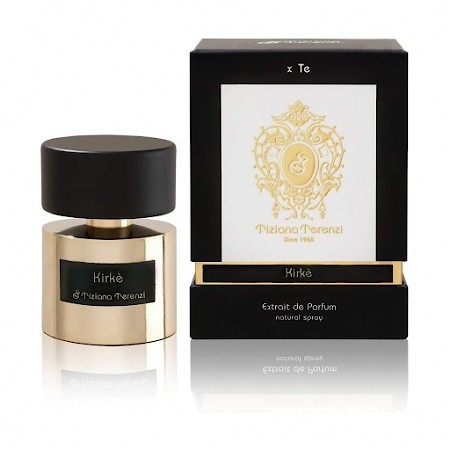
Perfume, the most concentrated format, typically contains 20 to 40 percent oils. In French, it is called extrait de parfum, and the word 'extract' is accurate here: it's a concentrated essence of the fragrance with almost no excess.
Extracts smell quiet and close to the skin but last from eight hours to a full day. The base doesn't show up immediately but stays with you until late evening.
Extract bottles are small, and the price is substantial. This format is for cold weather, special occasions, and those who prefer an intimate scent over a loud sillage.
Eau de parfum: The balance most often chosen
Eau de parfum, or EDP, contains about 15–20 percent oils. Longevity is around 6–8 hours, sillage is noticeable but not overwhelming.
EDP reveals the heart and base of the composition well. It has enough density for evening and restraint for a workday with careful application.
If you're unsure which concentration to try first, choose eau de parfum. It has the best balance of longevity, scent, and price, and it's the hardest to get wrong.
Eau de toilette and cologne: Lightness for everyday
Eau de toilette, or EDT, contains 5–15 percent oils. It lasts 3–5 hours and emphasizes top notes: citrus, greens, light florals.
This format loves summer, sports, and the office, where a heavy sillage quickly becomes an issue. Eau de toilette is cheaper than eau de parfum, and refreshing it during the day is normal practice, not a sign of a weak fragrance.
Eau de cologne contains only 2–5 percent oils. It lasts about two hours and works like a refreshing splash after a shower or before a workout. And aromatic mist fades within an hour: it has 1–3 percent oils, but you can apply it generously, directly to hair and clothes.

The most common mistake is to consider eau de toilette simply diluted perfume. Brands often change the formula itself for each concentration: in EDT they enhance the fresh start, in EDP and extract, the base. One fragrance in different formats can smell like two relatives with different characters.
Therefore, before buying, test exactly the concentration you intend to wear. A blotter with EDP will tell you nothing about how the eau de toilette of the same line will behave.
The expert's observation also answers another frequent question: why a line sometimes smells different in different formats. It's not about counterfeiting but the perfumer's conscious work on each concentration.
How to read percentages on packaging
The bottle rarely indicates the exact concentration in numbers, so the buyer has to decipher the format by indirect clues. The main one is hidden in the name itself, printed on the box in large letters.
Understanding this labeling is easier than it seems. Just remember a couple of guidelines, and any counter will no longer look like a lottery where the longevity of a fragrance depends on luck.
What the format name means
Manufacturers are not required to print the exact percentage of oils on the bottle, and this is the main source of confusion. The name itself serves as a guide: the shorter the word, the lower the concentration and the lighter the scent.
Parfum and Extrait stand at one end of the scale, Cologne at the other. Eau de Parfum and Eau de Toilette occupy the middle, and remembering this ladder is easier than it first appears.
When the label does have numbers
Sometimes the brand honestly indicates the concentration range right on the box, making it easier to compare bottles. But more often, you have to rely on the general rule and your own wearing experience.
It's useful to remember: the number on the label, if present, reflects the proportion of aromatic concentrate in the total volume of liquid, not the amount of each individual note within the composition.
The ingredient list also doesn't give an exact answer. Perfume formulas are protected as trade secrets, so the reliable way to understand concentration is simple: trust the format name and test on your own skin.
Price and economy: What each format costs
An expensive bottle does not always mean expensive use. Extract costs more per milliliter but is used in drops: a couple of drops on the wrists are enough for an entire evening.
Eau de toilette is cheaper on the shelf, but you spray it generously and refresh several times a day. When recalculated per month of use, the budget difference often shrinks to almost zero.
- High concentration saves usage: drops on the skin are enough for a long-lasting scent.
- Light formats are easy to refresh and wear in the heat without overloading the composition.
- Extract and eau de parfum cost more per bottle and require careful application.
- Eau de toilette and cologne need to be reinforced during the day, and the bottle consumption increases faster.
It's worth calculating the value not by the price on the label but by the cost per hour of scent. Then the picture often turns upside down.
Common customer misconceptions
There are many myths surrounding concentrations, and some of them hinder choosing a fragrance with open eyes. Some expect impossible longevity from eau de toilette, others overpay for extract where a light format would suffice.
Let's look at three of the most stubborn misconceptions in order. Each sounds plausible but falls apart upon first encounter with real wearing experience.
The myth of "diluted perfume"
The most persistent misconception is simple: people believe that eau de toilette is the same perfume, just weaker and cheaper. In reality, brands often change the formula itself for each concentration.
In eau de toilette, the fresh start is enhanced; in eau de parfum and extract, the depth of the base. One fragrance in different formats can smell like two different relatives with dissimilar characters.
Higher concentration does not mean more prestigious
The second misconception: the higher the concentration, the 'more expensive' the fragrance is perceived by others. In fact, a restrained sillage of extract is often perceived as more noble than a loud eau de toilette applied excessively.
The impression is created not by the strength of the cloud but by the appropriateness of the scent. A quiet extract, noticeable only in close conversation, works more intimately and subtly than a fragrance that announces itself in the entire elevator.
Shelf life and concentration: not the same thing
The third misconception concerns shelf life. It seems that a concentrated format lasts longer simply by definition. Such a belief is pleasant but not supported by storage practice.
In practice, light, heat, and air contact affect the longevity of a bottle much more than the percentage of oils itself. A cologne in a dark cabinet will outlast an extract left on a sunny shelf in the bathroom.
Comparison table of concentrations
The numbers vary slightly between different houses, but it's convenient to keep the guidelines in front of your eyes. Here is the entire perfume ladder.
| Format | Oil percentage | Longevity | Sillage | When appropriate |
|---|---|---|---|---|
| Perfume (parfum, extrait) | 20–40% | 8–24 hours | Intimate, close to skin | Evening, cold, special occasions |
| Eau de parfum (EDP) | 15–20% | 6–8 hours | Noticeable but manageable | Universal everyday format |
| Eau de toilette (EDT) | 5–15% | 3–5 hours | Light, fresh | Summer, office, active day |
| Cologne (EDC) | 2–5% | Up to 2 hours | Barely perceptible | Heat, after shower, quick freshness |
| Aromatic mist | 1–3% | Up to 1 hour | Almost imperceptible | Hair, clothes, refreshment during the day |
The table shows the main point: the difference between formats comes down to a compromise between longevity, price, and density of scent. Extract lives for a day but costs a lot and smells quiet. Cologne barely hits the wallet per application but asks for renewal every couple of hours.
How to choose your concentration
There is no universal answer, only your lifestyle, climate, and budget. A short checklist will help you avoid mistakes.
- Determine the scenario: for office and heat, choose EDT or cologne; for evening and winter, EDP or perfume.
- Calculate the price per milliliter adjusted for usage: long-lasting EDP is often more economical than cheap eau de toilette that you spray three times a day.
- Consider skin type: dry skin releases fragrance faster; it needs a higher concentration.
- Test longevity on yourself: apply a tester in the morning and live with it for a day, not ten minutes in the store.
- Don't mix expectations: don't expect sillage until evening from cologne, and don't expect gym freshness from extract.
And don't be afraid to build a small wardrobe of formats. A light eau de toilette for the morning and a dense eau de parfum for the weekend cover almost all scenarios.
One fragrance, four characters
So, what's the difference between perfume and eau de toilette and cologne? The concentration of oils, and through it, longevity, density, sillage, and price. No format is better than another: each has its own job, its own time of day, and its own weather.
Extract whispers until midnight, EDP confidently leads the day, eau de toilette refreshes, cologne invigorates. Choose not 'the longest-lasting' but what matches your life. Fragrance is clothing for the mood, and a wardrobe is more appropriate than a single formal suit.


