
Journey to fragrances: perfume tours in the world capitals of perfumery
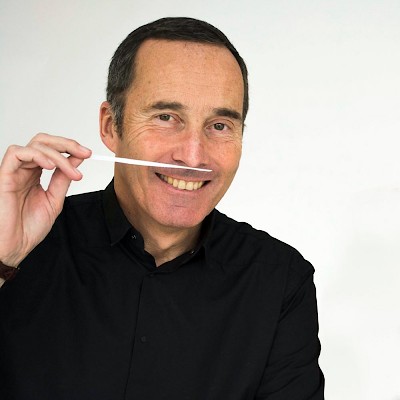
The author of this article is a renowned fragrance expert with over a decade of experience in the industry. With a passion for fragrances and a discerning palate, the author has written extensively on the art of perfumery for various publications.
Some people travel for views, some for food, some for architecture. And then there are trips you come back from with a new sense of smell — that is what I call perfume tours. A couple of days in the right city changes your relationship with fragrance more than years of reading reviews.
Perfume tourism means fragrance museums, historic factories, flower fields and workshops where you blend your own formula. Sounds like a dream? It is a perfectly real itinerary, and below are five destinations worth starting with.
Grasse: the town where everything smells
This small town in the south of France has held the title of world capital of perfumery for centuries. Jasmine and May rose were grown here for the great houses, and legendary noses trained here. And three historic factories — Fragonard, Molinard and Galimard — are still running today.
All three are open to visitors. Free guided tours show you the stills, the workshops and the antique equipment, and in the factory boutiques you can sniff to your heart's content. The International Perfume Museum deserves a separate visit — from ancient Egyptian vessels to modern flacons.
The best time for Grasse is May, when the centifolia rose blooms, and August, when the jasmine harvest begins. In those weeks the town smells wonderful from behind every fence.
Flower fields stretch out around the town, and some welcome tourists. Walking between rows of rose bushes at dawn is an experience no shop can give you. Book ahead: slots for the blooming season sell out fast.
Paris: the shop window of world perfumery
If Grasse is the production floor, Paris is the stage. The Grand Musée du Parfum sits on Rue du Faubourg Saint-Honoré, while the Fragonard museum near the Opéra tells the story of the craft inside a 19th-century mansion. Entry to the latter is free, with tours in several languages.
But the real Parisian pleasure is the boutiques. Niche shops in the Marais, historic houses on Saint-Honoré, corners in the grand department stores.In a single day you can smell a hundred fragrances, from classics like Chanel No. 5 to things that will never reach your home country.
A tip from personal experience: do not try to cover everything. Three or four boutiques a day is the ceiling — after that your nose gives up. Carry coffee beans or simply step outside to breathe.
Cologne and Florence: two poles of history
The word "cologne" literally means "water from Cologne" — eau de Cologne. The House of 4711 still operates in the city, named after the number of the building on Glockengasse. Inside you will find a fountain flowing with that very water, a museum display and, of course, a shop with the signature turquoise-and-gold bottles.
The House of 4711 runs hour-long seminars on the history of eau de Cologne, tasting included. A great option for a rainy day — and Cologne's rain loves to arrive unannounced.
Florence answers Cologne with a centuries-old apothecary tradition. The Officina Profumo-Farmaceutica di Santa Maria Novella grew out of a Dominican monastery pharmacy and is considered one of the oldest perfume manufactories in the world. Frescoed halls, antique vessels, the scent of iris — that famous Florentine iris — hanging in the air.
People come here less for shopping and more for the atmosphere. Although resisting is hard, and most visitors leave with at least a bar of the famous soap.
Istanbul: the scents of the East
Eastern perfumery lives by its own rules — perfume oils, attars, oud and rose instead of the familiar alcohol-based compositions. Istanbul is the easiest gateway into that world. The Grand Bazaar and the Egyptian Bazaar hold dozens of shops where a master will match an oil to your skin.
Put a drop on your wrist and keep walking, because oil-based fragrances open slowly. Come back an hour later and decide whether the scent is yours, or not. Haggling is allowed and expected — it is part of the ritual.
The workshop: create your own fragrance
The brightest part of any perfume tour is the class where you sit down at a perfumer's organ. That is the name for the tiered rack of dozens of vials from which a composition is built. In Grasse all three factories run such sessions, in Paris there are independent studios, and in Florence workshops operate within the old houses.
The format is usually similar: two to three hours, the theory of the fragrance pyramid, work with base, heart and top notes. You walk out with a bottle of your personal composition and the formula to reorder it later. It is after a class like this that you truly begin to understand where the price and character of a perfume come from.
Book your workshop before you buy plane tickets, not after. Good studios in Grasse and Paris fill up a month or six weeks ahead, especially during the blooming season.
And do not chase long programmes. Two hours with a strong perfumer will give you more than a full day in a conveyor-belt group of thirty people.
Prices and formats vary widely, so read the programme carefully. What matters is working with real materials rather than simply mixing three ready-made bases.
How to build your route
A perfume tour does not demand a month of holiday. Two or three days per city is enough, and Grasse pairs neatly with Nice and Cannes — less than an hour away. Planning comes down to a few steps.
- Choose the focus of the trip: production and flower fields — Grasse, museums and shopping — Paris, history — Cologne and Florence, the Eastern tradition — Istanbul.
- Check the season: Provence blooms in May and August; the other cities have no fixed dates.
- Book your workshop and factory tours four to six weeks in advance.
- Leave room in your suitcase for bottles and pack them in your hand luggage within the liquids limit.
- Make a list of fragrances you want to smell in person — on the spot it saves you from feeling lost.
And the final touch — a scent diary. Write down everything you smelled and felt, even just a few words in your phone. A month after the trip, those notes will prove more valuable than photos: scents fade from memory faster than views.
Wherever you go, the main souvenir of a perfume tour is not a bottle. It is a trained nose and a story you get to tell with every spray.


