
The art of perfume marketing: how fragrance is sold

The author of this article is a renowned fragrance expert with over a decade of experience in the industry. With a passion for fragrances and a discerning palate, the author has written extensively on the art of perfumery for various publications.
A fragrance cannot be seen, touched, or displayed on a shelf like a dress. Yet it is sold by the millions of bottles, as if inside is not a volatile liquid, but a ready-made promise of another life.
Perfume marketing lives where chemistry ends and imagination begins. It barely talks about molecules. It tells you who you will feel like after applying a few drops to your wrist before heading out.
Why scent is sold as a story, not a composition
Buyers rarely choose a perfume by its list of ingredients. Few people can distinguish one white musk from another by smell, but they instantly read the mood of an image, music, and name.
That's why brands sell a plot, not a formula. The bottle becomes a ticket into a story about freedom, tenderness, or audacity, and that story hooks more than any note in the pyramid.
We pay not for grams of fragrant substances, but for the version of ourselves that is promised. Good marketing makes that version recognizable and highly desirable.
Emotion instead of characteristics
Perfume ads almost never list notes. Instead of "bergamot, iris, vetiver," they show a woman walking through a night city as if it belongs to her.
This technique works on olfactory memory. The scent is not described in words; it is attached to an image, and later that image surfaces in your mind at the store shelf on its own.
Desire over necessity
Perfumes are almost never bought out of necessity. They are purchased for an emotion, for a small ritual, for the feeling that today is a little more festive than yesterday.
Marketing senses this and amplifies it. It turns a mundane purchase into an act of self-care, and you leave with a bottle as if carrying a piece of someone else's beautiful story.
The bottle and packaging: visual language of desire
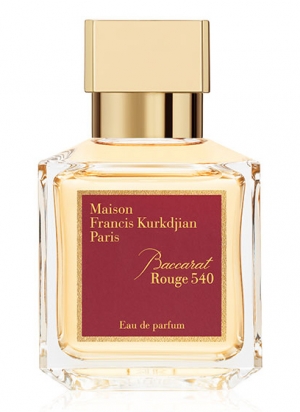
The first date with a fragrance often happens through the eyes. We see the bottle before we smell it, and the glass manages to whisper its promise.
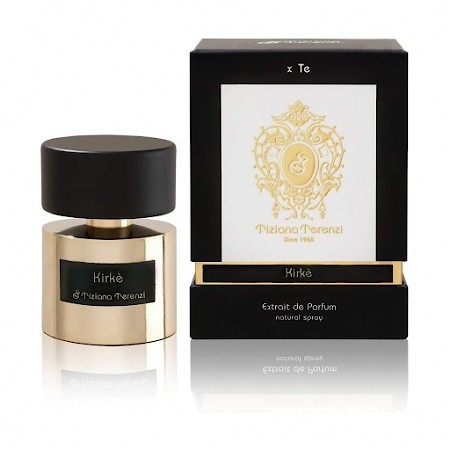
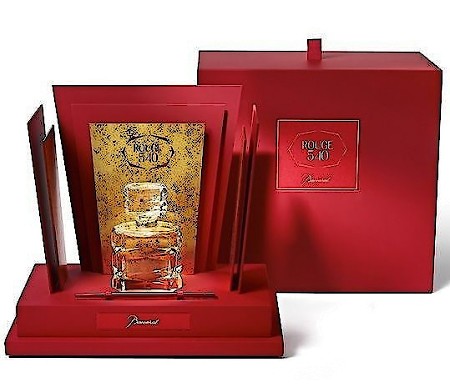
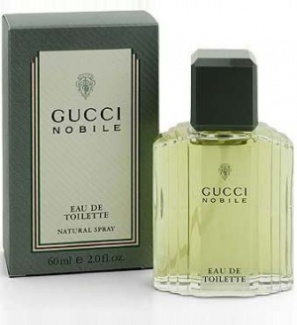
A heavy base, clean lines, a thoughtful cap. All of this speaks of status before the first note unfolds, and your hand reaches for what looks more expensive than its shelf neighbors.
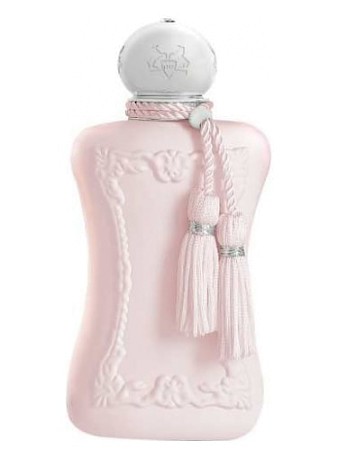
The bottle's shape is also text. Round lines read as softness and romance, strict geometry as confidence and strength, and faceted glass hints at the preciousness of the contents.
Color, weight, and texture
Designers play not only with silhouette. Frosted glass soothes, mirrored glass screams premium, and a pleasant weight in the hand subconsciously translates to a thought of quality.
Even the click of the cap is designed separately. A deep, expensive sound works as a small reward, and the brain remembers this ritual along with the scent itself.
Before falling in love with the bottle, smell the fragrance blindly on a blotter. Beautiful glass easily tempts the eye, but you will wear the scent, not the bottle's shape.
Name and legend: how to name what cannot be described
The name of a fragrance does half the work. It must fit into one word the mood, promise, and character that the brand wants to sell with the liquid.
Abstract names work better than concrete ones. "Opium," "Obsession," or "Light" do not literally describe the smell, but they open up room for imagination, where everyone inscribes their own dream.
Storytelling around a drop
Major releases almost always have a legend. A muse, a journey, a perfumer's memory, an ancient garden where flowers were gathered at dawn, all part of a crafted drama.
A story makes the fragrance meaningful. It's one thing to buy a nameless liquid, another to become part of a beautiful myth that the brand tells for years and decades.

A brand's legend only works when it matches the feeling of the scent. If the ad promises sultry passion but the fragrance smells sterile fresh, the story falls apart in a minute.
Strong marketing does not lie about the fragrance; it finds the right words for it. The brand's task is to name the emotion you already feel but just can't articulate.
Brand face: why fragrances need celebrities
An ambassador saves the buyer the work of imagination. Instead of figuring out who the scent suits, we see a ready-made image and try it on ourselves.
The mechanics are simple and old. Marilyn Monroe once mentioned she slept in just a drop of Chanel No. 5, and that phrase sold more bottles than any rational argument about the composition.
Image transfer
When a beloved actress becomes the face of a perfume, part of her glow mentally transfers to us. We buy not the singer's scent but the hope for a bit of her confidence and freedom.
It doesn't always work. If the star's image clashes with the fragrance's character, the ad falls apart, and an expensive campaign yields less than modest but honest sampling.
- Ready-made image speeds up purchase decisions
- A star adds status and dream to the fragrance
- A recognizable face makes brand recall easier
- A celebrity contract noticeably raises the price on the shelf
- The celebrity image may not match the scent
- Scandal around the brand's face hits sales
Psychology of purchase: why we give in
Scent bypasses logic. Smell is directly linked to the part of the brain responsible for emotions and memory, so the purchase decision often matures before reason has a chance to weigh in.
Marketers understood this long ago. Pleasant music in the boutique, soft lighting, a consultant's smile, and a tiny free sample — everything is arranged so you leave happy and with a purchase.
Fragrance as part of self-image
Perfume has become a way to silently express yourself. One bottle says "I am tender," another "I am daring," a third "I know how to enjoy the quiet luxury of fine things."
Brands sell exactly that opportunity. What do we actually choose on the shelf: a scent or an image we want to project to the world?
| Marketing tactic | What it appeals to | What the buyer feels |
|---|---|---|
| Celebrity face | Desire to belong | "With this scent, I am closer to my idol" |
| Bottle design | Craving for beauty and status | "Such a thing will beautify my vanity" |
| Legend and name | Need for meaning | "I am not buying perfume, but a whole story" |
| Boutique atmosphere | Emotion of the moment | "It's pleasant here; I want to prolong this feeling" |
None of these tactics are inherently evil. The problem arises when the beautiful packaging completely overshadows the main thing—the actual scent on your skin.
How to stay yourself at the perfume counter
Understanding marketing mechanics doesn't mean giving up joy. On the contrary, it makes choice freer: you see the tricks and still can give them a conscious "yes."
A few simple habits help avoid overpaying for the air around the bottle and bring home a scent, not someone else's advertising dream.
- Smell blind: cover the name and image, evaluate the scent itself on a blotter.
- Give the fragrance an hour on your skin before deciding; the base and sillage unfold slowly.
- Ask yourself what caught you: the bottle, the ad, or the actual scent.
- Get a sample first, not a full bottle, and wear it for a couple of days.
- Compare price to the impression, not to the celebrity name on the packaging.
This approach saves money and shelf space. It also returns the main thing to the purchase: the pleasure of a scent that you truly chose.
If we boil everything down to a few guidelines, the marketing picture becomes transparent and almost friendly.
 The brand sells an emotion and an image, not a chemical formula. The bottle, name, and ad combine into a promise of a version of yourself.
- Packaging and legend influence choice more than we admit. That's fine as long as you truly like the scent.
- An aware buyer enjoys the fairy tale but pays for the content. Your own nose is the final judge.
Perfume marketing has given us a beautiful theater around a simple drop. And it's pleasant to be a spectator in this theater as long as you remember that the ticket is worth buying for the performance itself, not for the poster at the entrance.


