







Scent as Home: Why We Keep Returning to the Same Perfumes
An outstanding perfumery specialist with a wealth of experience and passion for the world of fragrances. Her expertise in this niche of women's perfumery for over a decade allows her to unravel the mysteries of fragrances
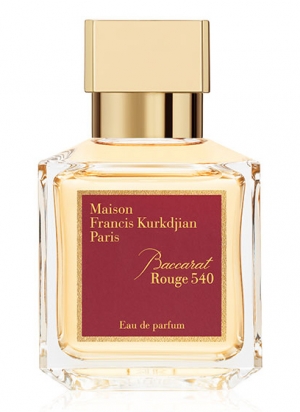
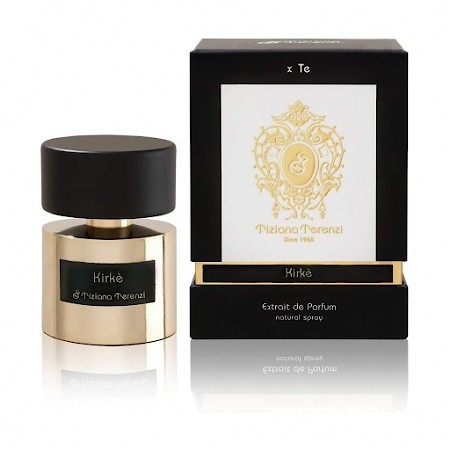
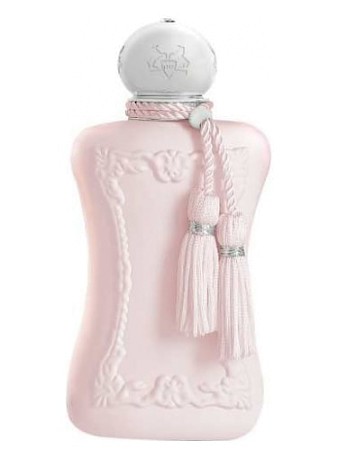
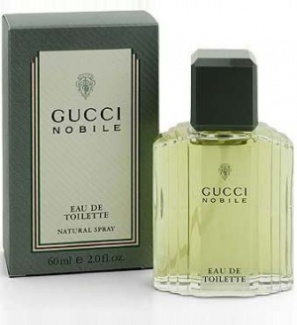
Every one of us has those perfumes: not the most fashionable, not the latest releases, but the ones that sit on the shelf for years, move with you from apartment to apartment and run out with alarming regularity. We buy dozens of samples, get excited about new launches, but in moments of fatigue, joy, or confusion, we reach for them. This is not just a habit; these are anchor fragrances, scents that become part of our identity. We were inspired by the story of a Fragrantica reader who talked about four bottles without which her collection is incomplete. But we want to go deeper: not to analyze specific perfumes, but to understand which notes and feelings make us return again and again.
An anchor fragrance is not just a scent, but an emotional compass that brings us back to our true selves.
Why We Return to the Same Fragrances
Scent is the most powerful anchor of memory. It instantly transports us to the past, evoking images, feelings, even bodily sensations. When we find a perfume that resonates with our inner state, it becomes something more than just a fragrance. It is a way to tell the world, “This is me,” or, on the contrary, to create a secret corner where you are only for yourself. Research shows that smell is directly connected to the brain's limbic system, which controls emotions. That is why a fragrance we choose at an important moment in life stays with us forever. And when we return to it, we return to the version of ourselves that existed at that moment.
But there is another side: an anchor fragrance is not always about memories. Often we choose notes that give us a sense of security, strength, or peace in the here and now. Vanilla, patchouli, citrus, musk: each note has its own “superpower.” And in this article, we will explore exactly how they work.
Vanilla: The Scent of an Embrace
Vanilla is perhaps the coziest note in perfumery. It doesn’t shout or argue; it gently wraps around you like a fluffy blanket on a rainy evening. Many mistakenly consider vanilla to be exclusively gourmand, sweet, and “dessert-like.” But in classic compositions, such as oriental or chypre, vanilla behaves quite differently. It becomes velvety, slightly powdery, enveloping but not cloying. This is the kind of vanilla that often becomes the very anchor you want to return to in moments of fatigue or anxiety.
When I think of vanilla fragrances, I remember a friend who has worn the same perfume for five years. She says that as soon as she applies it to her wrists, her shoulders instinctively drop and her breathing steadies. Vanilla doesn’t just warm you; it gives permission to be vulnerable. And that’s not weakness—it’s mindful tenderness toward yourself.
Warmth and Security
Vanilla in the base is like an embrace that lasts for hours. It doesn’t demand attention but makes the world a little softer. Many of us intuitively gravitate toward it in moments when we want to hide from the outside world. In perfumery, vanilla can be many things: from delicate and powdery to smoky and complex. But it’s precisely its ability to wrap around you without pressure that makes it an ideal anchor for those seeking peace.
Vanilla in the base is like an embrace that lasts for hours. It doesn’t demand attention but makes the world a little softer.
I remember a friend’s story: her favorite perfume is a delicate vanilla-amber fragrance that she has worn for five years. She says that as soon as she applies it to her wrists, her shoulders instinctively drop and her breathing steadies. Vanilla doesn’t just warm you; it gives permission to be vulnerable. And that’s not weakness—it’s mindful tenderness toward yourself.
Patchouli: A Fragrance with Character
Patchouli is a note with character. It doesn’t try to please everyone; it has its own opinion. Earthy, slightly damp, with a bitter-herbal undertone, patchouli adds complexity and confidence to a fragrance. This isn’t one of those wearable “waters” that vanish into the air. Patchouli stays with you, makes its presence known, but not intrusively. Interestingly, patchouli sounds different in different doses: in small amounts it offers purity and coolness, in larger ones, dark mystery.
Many women choose patchouli fragrances as a symbol of their strength. When I was on a business trip and felt insecure, I took exactly such a perfume with me: it seemed to straighten my spine. Patchouli can’t stand fuss; it takes time to unfold. And this slowness becomes part of the ritual: apply it, and you immediately feel grounded.
Earthiness and Depth
Patchouli is not just a note; it’s a whole philosophy. It reminds us of the earth, of roots, and of the importance of staying grounded in any situation. In modern compositions, patchouli is often combined with citrus or woody notes to soften its sharpness. But in its pure form, it sounds like a challenge: don’t come close if you’re ready to compromise.
By the way, patchouli is often used in oriental compositions to create an effect of “dark allure.” But if you’re afraid of “grandmotherly” associations, try modern interpretations with clean, almost cedar-like patchouli.
It is this uncompromising nature that makes patchouli an anchor for those who value strength and depth. When I wear patchouli, I feel that I can handle any difficulties. It’s not about aggression, but about inner resilience.
Citrus: The Morning Scent
A citrus opening is always about energy and a fresh start. Bergamot, lemon, neroli, grapefruit: these notes seem to say, “Wake up, the day is beginning.” We often choose citrus fragrances for the morning when we need a boost, or in moments when we want to feel lightness and purity. But returning to them is not just about a charge of vitality. It’s a way to reclaim a sense of a “clean slate.” Even if the day is going on autopilot, one spritz of a citrus scent can remind you: you can start over.
There’s a familiar scent that I adore in spring: it starts with sparkling bergamot and bitter orange, then transitions into white flowers. Every time I smell it, I remember first wearing it on a trip and feeling free. Citrus is not about eternity, but about the moment. And it is this fleetingness that makes them so valuable.
Freshness as a Ritual
Citrus doesn’t last long, but it is their transience that teaches us to value the moment. When I apply a citrus fragrance, I tell myself, “This day is a gift, and I want to live it vividly.” This note doesn’t tolerate seriousness; it calls for lightness and spontaneity.
- Instantly uplifts mood and invigorates
- Often not long-lasting, fades quickly
Many choose citrus as an anchor for the morning: it helps them wake up and get ready for a productive day. But there are also those who wear it in moments of sadness, as a reminder that everything will pass and something new will begin.
Musk and White Flowers: The Skin Scent
Musk and white flowers, jasmine, orange blossom, and tuberose create a "second skin" effect. These scents are quiet but very intimate. They are not meant to be noticed by others; they are for you. You apply them in the morning, and throughout the day they seem to whisper with your body, becoming a part of it. That's exactly why such perfumes often become an anchor — they help you feel in harmony with yourself. When I wear a fragrance with musk and jasmine, I feel like I've put on my favorite silk pajamas: invisible yet incredibly comfortable.
In one article I read that musk notes in perfumery are like our own scent, only purified and refined. That's why they blend so effortlessly with the skin. White flowers add a touch of sweetness — not gourmand, but rather natural, like the warmth of skin after a shower. If you're looking for a fragrance that becomes your own personal ritual, give this combination a closer look.
Intimacy and Closeness
Musk and white flowers aren't about bold statements — they're about quiet conversations with yourself. They create an aura that only you can feel, which makes them especially precious. There is no aggression in them, only tenderness and acceptance.
| Note | Effect |
|---|---|
| Musk | Wraps around you, melts into the skin, creates a feeling of intimacy |
| Jasmine | Floral warmth, sensuality, light sweetness |
| Orange blossom | Fresh, transparent, with a subtle honeyed nuance |
These notes work together to create a "my scent" effect. They don't ask for compliments; instead, they bring inner calm. And that, perhaps, is the most powerful magic of perfumery.
- Vanilla: an embracing scent, coziness and safety
- Patchouli: a scent of character, confidence and depth
- Citrus: a morning scent, freshness and a new start
- Musk and white flowers: a skin scent, intimacy and closeness
How to Find Your Anchors
How do you know which perfume will become your anchor? Don't rush to buy advertised novelties and don't believe that the scent of your dreams must be expensive. The best way is to listen to your emotions. Remember scents from childhood: grandmother's pie, freshly cut grass, sea breeze. Or a fragrance you wore during the happiest period of your life. Try to find similar notes in modern compositions. Don't be afraid of simple and inexpensive fragrances: sometimes the perfect anchor costs less than a thousand rubles, but you'll wear it for years.
- Recall the three strongest scents from your past; they may be pleasant or not. Write them down.
- Think about which feeling you want to experience more often: calm, confidence, joy? Choose notes that you associate with that feeling.
- Go to the store and test without reading descriptions. Apply to your skin and wear it all day. The one you keep going back to sniff again and again is yours.

I often see people chasing new releases, forgetting what's already in their hearts. An anchor fragrance is not about fashion; it's about personal history. Once I bought a perfume because it smelled like my grandmother's living room: vanilla, wood, and a hint of dust. It wasn't the most beautiful scent in the world, but I wore it every day until the bottle was empty. And I'm still looking for something similar. Because it's these kinds of scents that become home.
Don't be afraid to return to the same perfume. That's not narrow-mindedness; it's loyalty to yourself. Your nose knows what it needs. Trust it.
The main thing: an anchor fragrance doesn't have to be complex or trendy. It should become part of your story, like an old photograph or a favorite song. Search, try, come back. And when you find that very bottle, you'll understand: it's not just perfume; it's your scent of home.


