


The profession of a perfumer: how a fragrance is born
The perfume lover is a consumer
Behind every bottle is a person who once heard the future fragrance in their head before it ever touched skin. We rarely know their name. Yet it is they who assemble character, mood, and story from dozens of materials.
The profession of a perfumer is shrouded in romance and myths. Some imagine a wizard with a magic flask, others a dry chemist in a lab coat. The truth lies somewhere in between, and it is more interesting than any legend.
A perfumer works not with molecules, but with impressions. Their task is not to mix substances, but to evoke in a stranger warmth, a memory, or the desire to return to the scent again.
Who Is a "Nose"
A master perfumer is called a "nose" in professional slang. It sounds funny but apt. The main tool here is not instruments, but trained olfaction and memory.
Such a specialist holds a vast library of scents in their mind. They recognize hundreds of materials blindfolded and remember how each behaves in combination with others. This is closer to musical ear than to general erudition.
Talent or Craft
Initial sensitivity helps, but it is not decisive. The real difference is made by discipline: daily trials, mistakes, and analysis of others' formulas. Inspiration comes to those who have already prepared their hand and nose.
Therefore, a perfumer is more accurately considered a craftsman of high caliber. They are an artist, but an artist with a notebook, scales, and strict safety standards. And this discipline does not kill the magic, but gives it support.
The Perfumer's Organ: The Master's Workplace
The perfumer's workbench is called an organ. Not musical in sound, but in shape: a semicircle of shelves with hundreds of bottles within easy reach. Hence the comparison of composition to music was born.
On these shelves stand essential oils, absolutes, resins, and laboratory molecules. Each vial is labeled, each occupies its place. Nearby are scales, blotter strips, and a patiently kept trial journal.
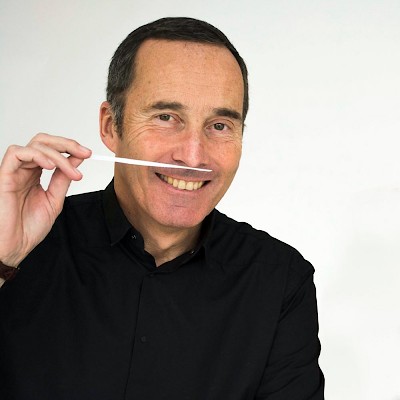
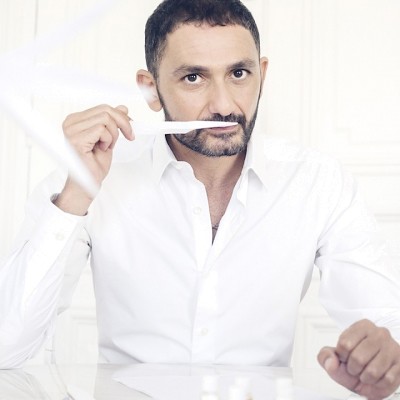
The first evaluation of a fragrance is done not on skin, but on a thin paper strip. It allows you to quickly compare dozens of options without overloading the nose or wasting precious raw materials.
Much has moved into digital today. The formula is stored in a program where the exact proportion of each material is visible. But the final word still rests with a living nose, not a screen.
It All Starts with a Brief
A fragrance is almost never born in a vacuum. Usually, it has a brief—a task from the brand with mood, image, and constraints. It might include a heroine's character, time of day, even packaging color.
Sometimes the brief sounds poetic: "a morning garden after rain, a woman confident and calm." Sometimes it's dry and specific, with budget and deadlines. The perfumer translates these words into the language of materials.
Constraints as Part of the Game
Creative freedom always has boundaries. Cost, safety standards, longevity on different skin types all narrow the palette. A good master sees constraints not as a prison, but as conditions of the problem.
It is often constraints that give birth to the boldest solutions. When an expensive natural material is unavailable, you have to find an unexpected substitute. And sometimes that substitute sounds even more interesting than the original.
Sketches, Versions, and Patient Refinement
The first draft of a formula rarely becomes the final. More often, it is just a direction, a charcoal sketch before a large painting. Then begins the long work on nuances.
The perfumer makes a version, smells it, adjusts one number, and tries again. Thus are born dozens, sometimes hundreds of modifications. Between them, weeks of waiting and comparison on the skin may pass.
| Stage | What Happens | How Long It Takes |
|---|---|---|
| Brief | Discussion of image and constraints with the brand | Days or weeks |
| Sketches | First trial formulas and directions | Weeks |
| Refinement | Dozens of versions, adjustments to nuances | Months |
| Evaluation | Tests of longevity, sillage, safety | Weeks |
The table simplifies the picture but conveys the scale honestly. From the first idea to the finished bottle, a year or more often passes.
A fragrance lives in time: it opens with top notes, then heart and base. The perfumer composes all three acts at once so that the transitions between them sound smooth and logical.
Years of Training and Nose Memory
Becoming a perfumer quickly is not possible. The classic path takes years of intense study, often at major perfume houses or specialized schools. There, the future master literally learns scents by heart, like a student learns a language.
Training nose memory is like sport. Every day, the student smells materials, names them, compares them, and writes down associations. Gradually, a coherent map of fragrances builds in the mind.
- creative work where the result is visible and perceptible
- a rare profession at the intersection of art and science
- constant development of olfaction and visual awareness
- many years of training without a guarantee of success
- tight constraints of budget, deadlines, and safety standards
- nose fatigue and high responsibility for every batch
The profession is beautiful but not easy. Behind every successful formula are dozens of failed attempts and patience that is hard to overestimate.

The main skill of a perfumer is simple: patience. It's not so hard to come up with a beautiful idea, but not everyone can refine it to a pure sound through a hundred corrections.
I always tell students: fall in love not with your first version, but with the result. A fragrance is ready not when there is nothing to add, but when there is nothing to take away.
Art and Chemistry in One Formula
The debate about whether a perfumer is an artist or a chemist has been going on for a long time. In fact, it's meaningless. A master needs both hemispheres at once.
Chemistry explains why one molecule flies quickly while another lasts until morning. Art suggests why to combine them at all and what feeling should arise. One without the other turns into either a dry mixture or a beautiful but non-functional dream.
Where Inspiration Lives
The idea for a fragrance can come from anywhere. From the smell of an old suitcase, a walk by the sea, a line from a song. But inspiration without technique remains just a mood.
Therefore, the best perfumers collect impressions everywhere and immediately translate them into materials. The sea becomes a blend of salty and ozone molecules. The warm skin of a favorite sweater turns into soft musks and a drop of vanilla.
What Remains Behind the Scenes
The finished bottle hides enormous invisible work. We inhale the result in a second, but it was assembled over months. What should a fragrance lover remember from this?
- Behind the fragrance is an author with their own handwriting, taste, and biography.
- The final formula is composed of dozens of versions, not the first successful attempt.
- Constraints of price and safety are built into the fragrance from the very beginning.
- The top, heart, and base are conceived as a single story over time.
- No two noses are alike, so someone else's masterpiece may smell different on you.
Knowing this, you begin to smell more attentively. Behind familiar sweetness, you suddenly hear intent, not just a pleasant smell.
| Myth About the Profession | How It Really Is |
|---|---|
| A perfumer creates in a single evening by inspiration | Work on a fragrance lasts months and through many versions |
| Only an innate gift is needed | Years of memory training and discipline decide |
| It's pure art without constraints | Budget, deadlines, and safety standards are always present |
Reality is more prosaic than a fairy tale, but more honest. And perhaps it is this blend of labor and miracle that makes the profession so captivating.
 A perfumer is a "nose": their tool is not instruments, but trained olfaction and memory.
- Work goes from a brief through dozens of versions to a final, refined formula.
- Success rests on a blend of inspiration and strict technique, not on talent alone.
Next time you inhale your favorite fragrance, remember the person behind the formula. Perhaps it is their patience that gave you this small daily pleasure.


