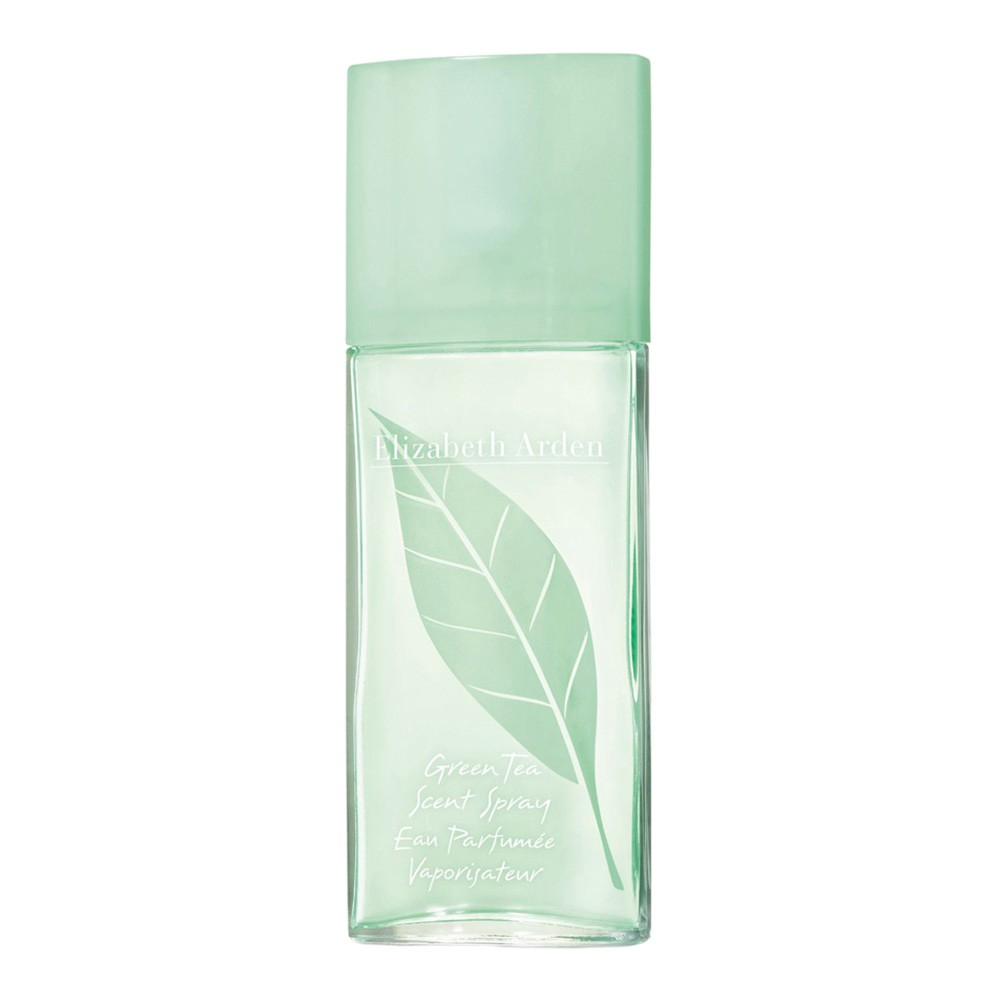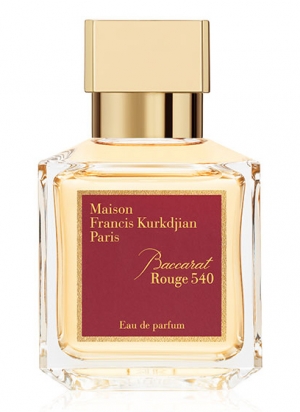
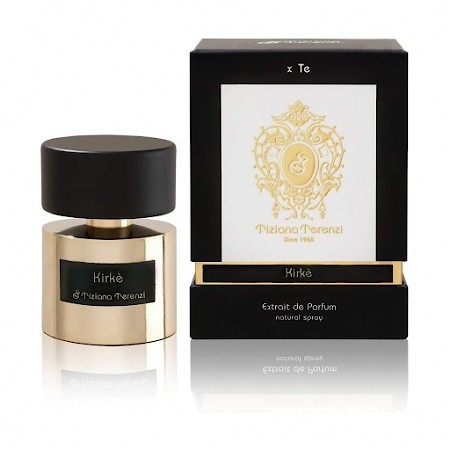
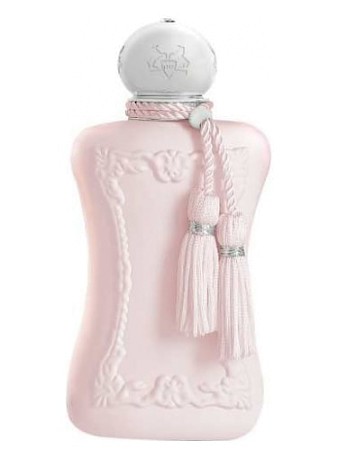

Smell like yourself: 5 trending second skin scents
There are days when you don't want to smell like perfume. You want to smell like yourself. Clean ski...



Immerse yourself in the elegant and slightly mysterious world of Ravel—an American perfumery whose history, like echoes of a distant melody, is shrouded in the charm of the past. Founded in New York in 1945, the brand took its name from the great French impressionist composer Maurice Ravel, instantly setting the tone for its philosophy. These are not just perfumes, but true olfactory symphonies, where each note strives to convey the refinement and emotional depth of music. Despite American roots, the spirit of Ravel was invariably French—refined, artistic, and infinitely romantic. Today, its creations are coveted exhibits for vintage perfume collectors, preserving the scent of an entire era.
The philosophy of Ravel was built on the intersection of high art, music, and perfumery. This was vividly reflected in the names of the fragrances, many of which referred to musical terms and the composer's works: Bolero, Caprichio (capriccio), Skertzo (scherzo). No less significant was the visual component. The bottle design was entrusted to the talented artist Elvira Barrios, whose Art Deco works turned each bottle into a miniature work of art. Clean lines, geometric shapes, and elegant details made Ravel bottles recognizable and reflected the postwar craving for beauty and luxury.
Interestingly, the identities of the perfumers behind Ravel's creations often remained in the shadows, which only added an aura of mystery to the brand. The emphasis was on the final result—a harmonious aromatic ensemble that, like good music, spoke for itself. The brand actively produced perfumes for just over a decade, creating a series of compositions that forever remained in the history of mid-century perfumery.
The perfumery heritage of Ravel, though not extensive, includes true pearls. The debut fragrance Faun (1945) set a high standard, introducing the public to a complex, possibly animalic-green composition. It was followed by the exotic and mysterious Pagoda and the equally iconic Tout Paris, embodying the spirit of Paris. In the early 1950s, the brand experienced a creative flourishing, releasing perfumes that became a reflection of postwar optimism and the pursuit of beauty.
Particular attention deserves fragrances whose names sound like musical invitations. Bolero was likely passionate and temperamental, akin to Ravel's eponymous work. My Fair Lady, appearing around the same time as the famous Broadway musical, was probably floral and elegant, like Eliza Doolittle herself. Completing this virtuoso series is the fragrance No. 9, released in 1956 and essentially becoming the brand's swan song.
Among all the variety, several Ravel creations stand out particularly and are considered its hallmarks. Pagoda is a journey to the East in one bottle, a composition that, judging by the name, might combine spices, wood, and flowers. Tout Paris ("All of Paris") is, without a doubt, an anthem to elegance and chic, perhaps a bright floral-aldehyde bouquet worn by the most stylish women of that era.
The classic Eau de Cologne from Ravel offered freshness and vigor, while remaining refined. And Minuit ("Midnight") evoked images of mysterious evening encounters. Each of these fragrances was part of a carefully conceived olfactory collection, where the name and concept played no less a role than the scent itself.
After 1956, traces of the Ravel brand are lost. The exact reasons for its disappearance from the market are unknown—perhaps increased competition or changes in business strategy played a role. However, its perfumes did not fade into oblivion. Today, Ravel bottles in good condition are a great rarity and a sought-after item for vintage perfume enthusiasts. They are valued for the quality of materials, complexity of compositions, and unique design that is a symbol of the era.
If you decide to go in search of this perfumery treasure, pay attention to the details confirming the authenticity of a vintage bottle. Examine the quality of engraving on the glass, the label (often with "New York" indicated), and the shape of the cap, which should match the originals by Elvira Barrios. The condition of the box also matters. Immersing yourself in the world of Ravel is not just buying perfume, but acquiring a piece of perfumery history that continues to resonate decades after its last note has fallen silent.
| Number of fragrances | 11 |
| Collections (0) | |
| Segment | Premium perfumery |
| Founded | 1945 |
There are days when you don't want to smell like perfume. You want to smell like yourself. Clean ski...
The same fragrance on a July afternoon and a January evening sounds like two different perfumes. In ...
There are fragrances you want to drink. Not to wear on the skin, but to drink. In small sips, prolon...
Join the Fragsi community and get access to all its features