



-
 ¯\_(ツ)_/¯...

What is "Oriental (Eastern) style"?
What is the oriental style in perfumery
Oriental, or eastern, style is one of the most luxurious, sensual, and mysterious families in the world of fragrances. Its perfumes are like jewels: they are complex, intense, and leave behind an unforgettable, lasting trace. Knowledge of this style opens doors to the world of perfumery, where the main characters are the warmth of skin, the sweetness of vanilla, the smokiness of resins, and the animal sensuality of ambergris and musk.
Deep dive into the world of oriental fragrances
At the heart of the oriental style are rich, often warm and sweetish chords that create a feeling of embrace and coziness. The classic building blocks of such compositions are vanilla, benzoin, labdanum, and sweet balms. An integral part of many oriental masterpieces are ambergris and musk (both natural and their modern synthetic analogs), which add depth and a leathery, almost animal warmth. Stand-alone are fragrances with an emphasis on oud (aura) — a valuable resin that gives a smoky, woody, sometimes medicinal note, which has become a symbol of modern luxury perfumery.
History from the Arab East to the world's podiums
The roots of the style go deep into the traditions of Arab and Indian perfumery culture, where intensity, durability, and the ceremonial nature of the fragrance were valued. In the West, this aesthetics began to actively penetrate at the beginning of the 20th century, but the real boom happened later. Legendary perfumes like Shalimar by Guerlain (1925) laid the foundation, showing the European public all the beauty of vanillic-balsamic chords. Today, the oriental style is a synonym for luxury, complexity, and the skill of perfumers who take ancient traditions as the basis for bold modern interpretations.
How to recognize an oriental fragrance and where to look for it
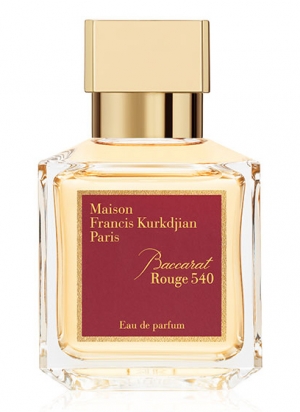
In practice, perfumes in this style are distinguished by incredible longevity and silhouette — a sillage that softly but confidently surrounds the wearer. They are perfect for the evening, cold seasons, or special occasions when you want to make an impression. Many niche brands have built their DNA on this direction. Bright examples can be found at Maison Francis Kurkdjian, which has an entire line dedicated to Oud, at the monumental Montale with its powerful compositions, at the refined Serge Lutens, at the luxurious Xerjoff, and at many other houses dedicated to the art of the East.
Tips for choosing your oriental perfume
If you are attracted to this style, start your acquaintance with softer and more universal vanilla-amber versions — they are often perceived as "delicious" and comfortable. Bolder and smokier versions with oud require getting used to, so be sure to test them on your skin. Apply such perfumes moderately, on warm pulse points (wrists, elbow crease), and give them time to unfold — their true character appears an hour or two after application.
What not to confuse the oriental style with
Often, the oriental style is confused with "spicy" or "ambery". Spicy fragrances can be part of oriental compositions, but their core is pepper, cinnamon, cloves. Ambery chords (warm, powdery, slightly marine) are one of the most important facets of the oriental style, but not the whole of it. A truly oriental perfume is always a harmonious and complex ensemble, where ambergris, resins, vanilla, and flowers intertwine into a dense, voluminous canvas.
The art of sensuality in a bottle
The oriental style is a choice for those who are not afraid to be noticed, value depth and durability of impression. These are story-perfumes, memory-perfumes. They don't just smell — they create an atmosphere, warm and envelop in mystery, remaining one of the most virtuosic and emotional directions in perfumery art.