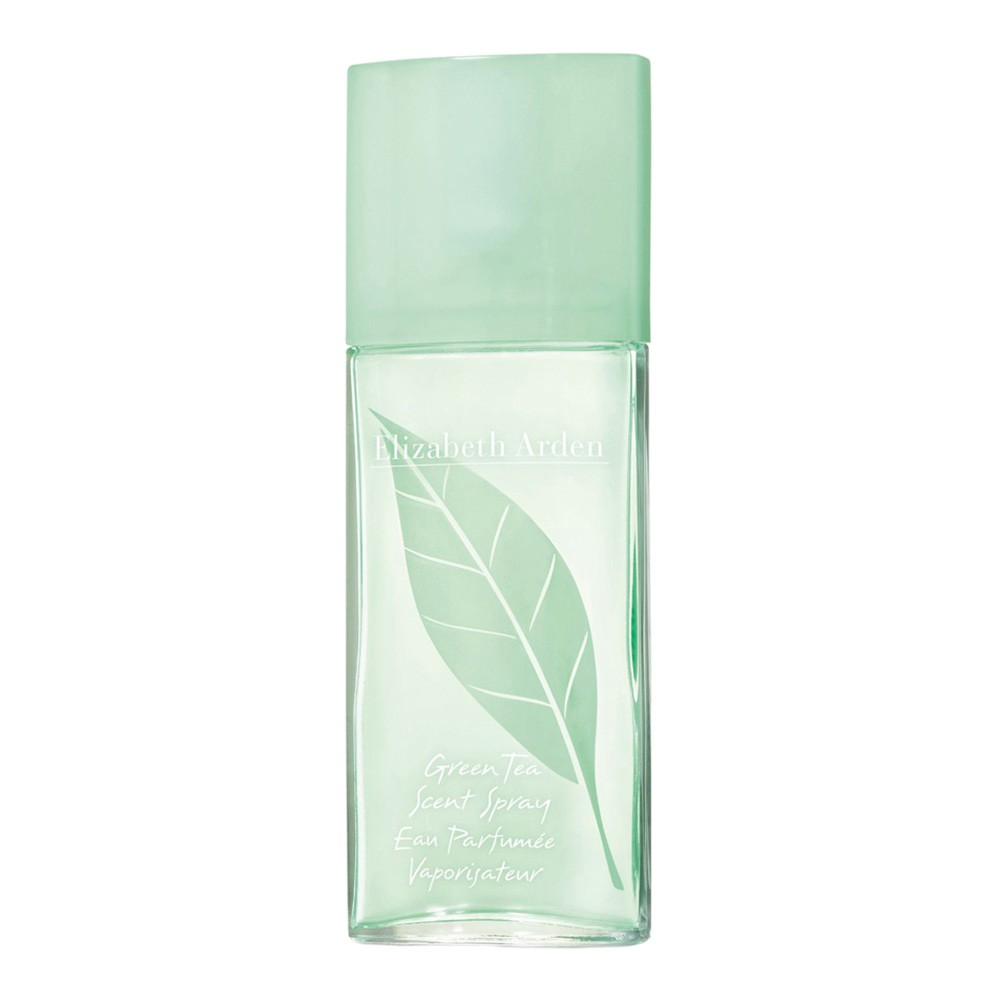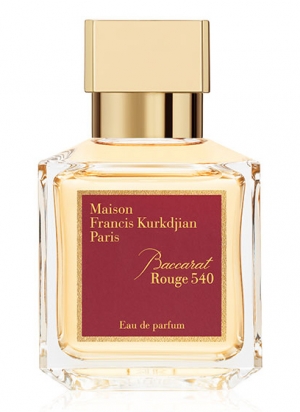
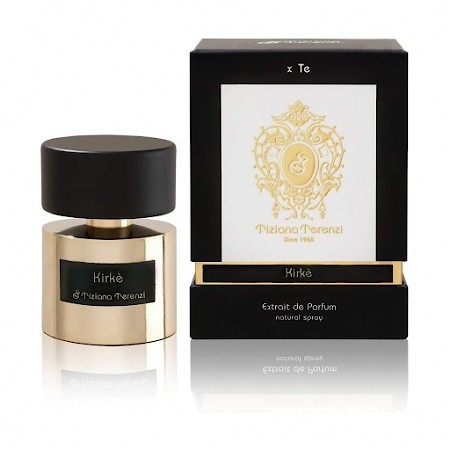
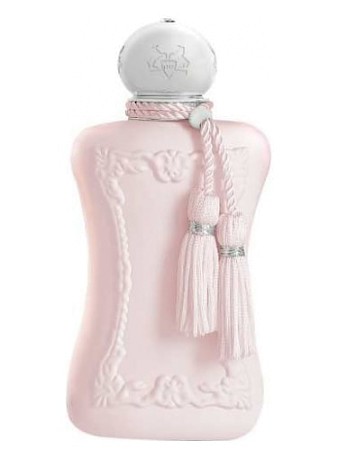



-
 ¯\_(ツ)_/¯...

What is "vintage"?
What is vintage in the world of fragrances
In the world of perfumery, vintage is not just old perfumes, but original fragrances released at least 30 years ago, which have become true artifacts of their era. They preserve the spirit of the time, tell stories about fashion trends, perfume art technologies, and cultural codes of the past. Knowing about vintage fragrances is important for every connoisseur, as it is the key to understanding the evolution of perfumery taste and an opportunity to touch genuine classics.
Detailed definition and meaning of the term
Vintage perfume is considered to be one created in its original composition and packaging, without subsequent reforms or changes. The main criterion is temporal. Usually, the age of such bottles exceeds 30 years. But it's not just about the release date. A vintage fragrance is a reflection of the characteristic features of its decade: it could be the lush oriental bouquet of the 80s, the bold chypre character of the 70s, or the exquisite floral symphony of the early 20th century. It is the "preserved" in glass history of perfumery.
History of the term's origin
The term came into the perfume lexicon directly from the world of winemaking, where "vintage" refers to wine from a specific harvest year, possessing unique characteristics. By analogy, perfume vintage is the "harvest" of a specific era. Initially, it was professional slang among collectors and connoisseurs, but over time, the concept firmly entered the vocabulary of all fragrance enthusiasts, signifying not just age, but authenticity and cultural value.
How vintage is applied in perfumery
Vintage perfumes are a living encyclopedia of perfume art. They are studied to understand how tastes, materials, and technologies have changed. Many contemporary perfumers are inspired by vintage compositions, creating modern interpretations. Classic examples are the legendary Chanel No. 5 from the 1920s, the sensual Shalimar by Guerlain from 1925, or the bold Opium by Yves Saint Laurent from 1977. These fragrances were not just sold; they shaped an era.
Practical tips for vintage hunters
If you want to start exploring the world of vintage perfumery, be prepared for a real treasure hunt. Look for bottles on specialized platforms, auctions, or boutiques selling rarities. Pay attention to preservation: the scent should be "alive," without sharp vinegar or rancid notes. Start with the most famous names—Guerlain, Chanel, Dior—to train your nose to recognize the benchmark quality of ingredients from the past.
Related concepts: retro, classic, and niche fragrances
It's important not to confuse vintage with just retro style or classics. "Retro" can mean a modern fragrance stylized to resemble the past. "Classic" refers to recognized, timeless creations that may be produced for decades but often in a reformulated version. Vintage, however, is always the original from a specific period. It also differs from modern niche fragrances, which, although produced in small batches, are created in our time.
Conclusion: a journey through time
Exploring vintage fragrances is an exciting journey through time. Each such bottle is a portal to the past, allowing you to feel what people lived for, dreamed about, and valued as beauty decades ago. It is not only collecting but also a deep dive into the history of art, fashion, and culture, accessible to anyone with a keen sense of smell and an inquisitive mind.