






-
 ¯\_(ツ)_/¯...

Agapanthus in perfumery — history, best perfumes, perfumers, pairings
The Agapanthus Note: A Flower Inspiring Rarity
Agapanthus, also known as African lily or Nile lily, is an elegant floral material that in the world of perfumery is valued for its exceptional freshness and subtlety. Its aroma lies at the intersection of several floral shades, creating a unique profile that is difficult to replicate artificially. Although this note is not common in perfume compositions, it represents a refined choice for those seeking unconventional, clean, and elegant accords, devoid of sweetness or heaviness.
Olfactory Portrait: Freshness and Greenness
In perfumery, the agapanthus note sounds like a cool, watery, and slightly green freshness. Its aromatic profile is devoid of cloying sweetness, instead offering a pure, almost "white" floral sound with light soapy and powdery overtones. Often, its olfactory impression is compared to a combination of freesia and geranium — just as crystalline and transparent, but with a more pronounced green stem. In the perfume pyramid, agapanthus most often unfolds as a heart note, providing a foundation for more complex floral or fougère compositions, adding airiness and modernity to them.
Origin: South African Beauty
Natural agapanthus originates from South Africa, where it grows on sunny slopes. For the perfume industry, extracting its aroma through distillation or enfleurage is extremely difficult and unprofitable due to the low yield of essential oil. Therefore, in the vast majority of cases, the agapanthus note in perfumes is the perfumer's creation, artificially recreated using synthetic molecules and a combination of other natural components. Such accords allow conveying the pure essence of the flower: its freshness, greenness, and light powdery quality, without depending on harvest caprices or harming nature.
Perfumes with the Agapanthus Note: Rare Finds
Due to the specifics of the raw material, fragrances where agapanthus serves as a key or noticeable note are rare and often niche. It can be found in some modern interpretations of fougère and watery-floral compositions, where it is responsible for the sensation of purity and coolness. To find perfumes with a similar sound, pay attention to fragrances whose heart features heliotrope or clove in their fresher, non-spicy versions. Brands such as Ermenegildo Zegna (the "Uomo" line) sometimes use this accord to give colognes a modern floral freshness.
Creating Harmony: Combinations and Alternatives
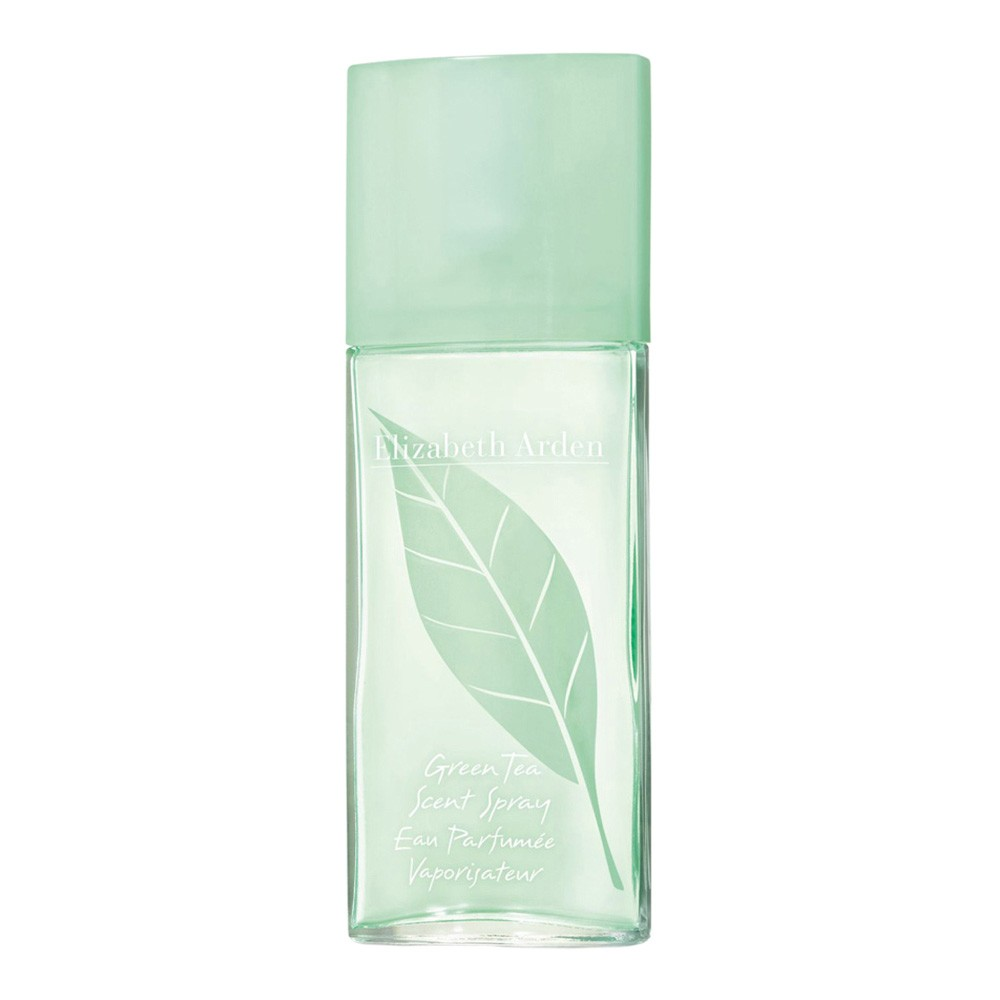
The artificial agapanthus accord works wonderfully in ensembles striving for a sense of impeccable purity and coolness. It is often combined with watery notes (calone, aqua notes), citrus notes (bergamot, lemon) to enhance freshness, as well as with other "clean" flowers such as lily of the valley or peony. To create a warmer and more powdery effect, it can be combined with musk and iris. If you're seeking a similar sound, explore perfumes with pronounced notes of freesia, lily of the valley, or green tea — they share with agapanthus the same crystalline, transparent aesthetic.
How to Choose a Fragrance with the Agapanthus Accord
Perfumes with the agapanthus note or accord are an ideal choice for connoisseurs of minimalism, purity, and understated elegance. They are suitable for active urban life, office environments, and hot weather, as their sound does not overwhelm but refreshes. When choosing such a perfume, look for key words in the description: "clean," "fresh," "watery," "white flowers," "powdery." Apply the fragrance to your skin and listen to the first phase: if you perceive a cool, almost "laundered" freshness without sharp citrus or sweetness, you've likely found that rare note. It speaks of restrained confidence and impeccable taste of its wearer.