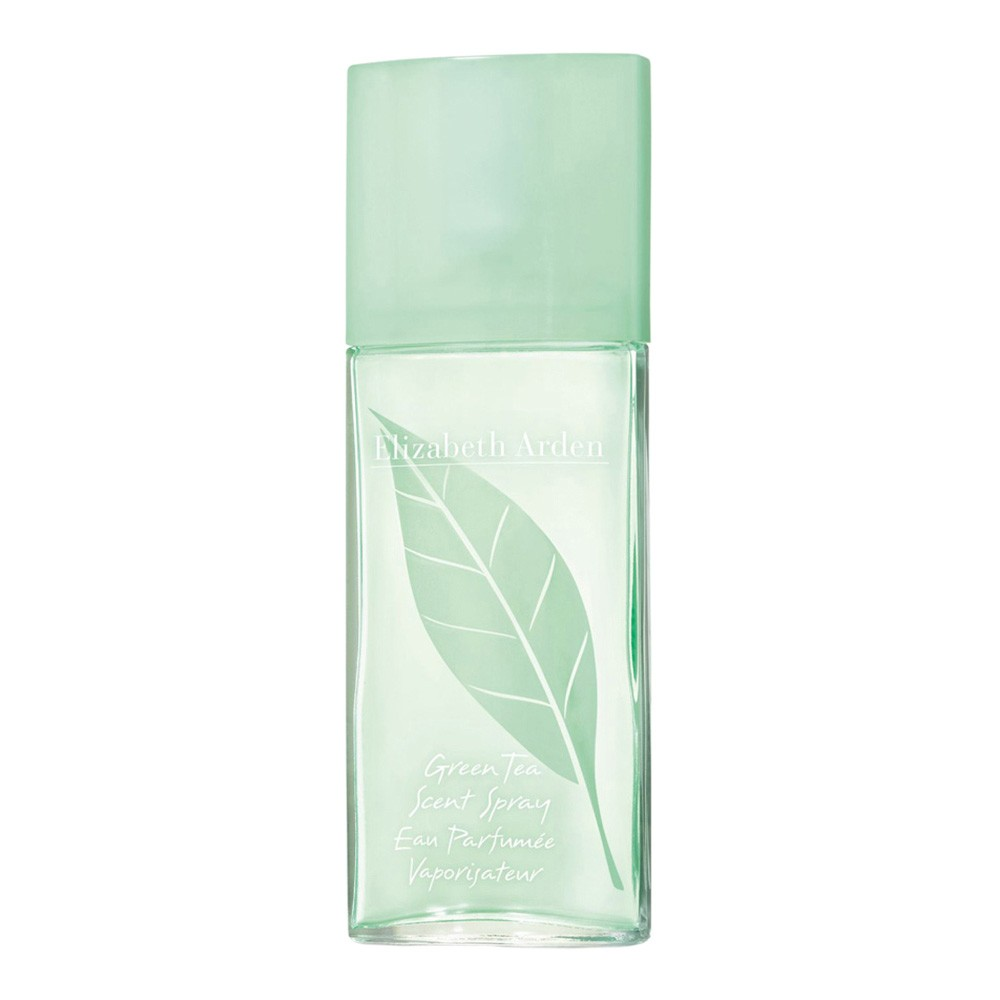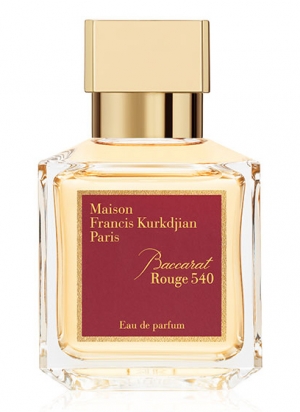
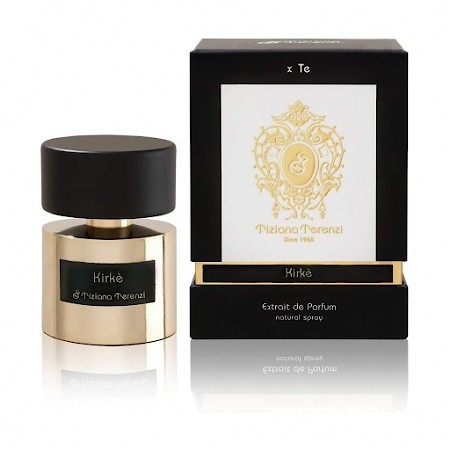








-
 ¯\_(ツ)_/¯...

Indian Canna in perfumery — history, best perfumes, perfumers, pairings
What is Indian Canna Note in Perfumery
Indian canna (Canna indica), also known as "Indian reed" or "canna", is an exotic plant whose aromatic trace in perfumery is a true rarity. In the perfume world, it is used not to create a recognizable floral accent (although the plant blooms beautifully), but as a source of an amazing green note with earthy and herbal shades. It belongs to the "Green" group and is valued by perfumers for its ability to bring a sense of coolness, dampness, and natural authenticity to compositions, reminiscent of freshly cut grass, wet foliage after rain, or the lush greenery of a tropical forest.
Characteristics and Olfactory Profile
The olfactory profile of the Indian canna note is complex and multi-layered. In its sound, one can discern not only classic green freshness but also light earthiness, shades of bark, a barely perceptible mineral accent, and a moist, almost watery coolness. This note has moderate volatility, which allows it to often be placed in the heart of the perfume pyramid, where it acts as an unusual green bridge between bright top notes and a warm base. Its intensity is restrained; it does not dominate but envelops, creating an atmospheric background.
Origin and Obtaining the Aroma
Although the plant's homeland is considered to be tropical and subtropical America, it has spread widely around the world as an ornamental plant. Perfume raw material from Indian canna is not common. Aromatic molecules reproducing its character are more often obtained synthetically or by modeling an accord from other natural and synthetic components. This is because the plant is not a traditional source of essential oils. Modern perfume chemistry allows for an accurate recreation of its cool, green-earthy trail, making the note an accessible tool for perfumers striving for unique and naturalistic solutions.
Combinations and Similar Notes
Indian canna is an excellent team player in perfume composition. It combines well with other green notes, such as black currant leaf to enhance berry freshness or fig leaf to create a creamy milky-green effect. Its earthiness harmonizes with root notes, for example, with angelica (dong quai). To add a watery, aqua-like quality, it can be combined with notes like cucumber. In character, it is also close to ambrette, although the latter has a more pronounced musky-fruity trail.
Tips for Choosing a Fragrance with This Note
Fragrances where the Indian canna note sounds are a choice for connoisseurs of non-standard, intellectual perfumery. They are ideal for warm seasons—spring and summer, as their cool, green character perfectly refreshes. Such compositions speak of a person who values nature, subtle shades, and avoids obvious sweetness or floral luxury. Look for this note in modern niche perfumes focused on "green" or "earthy" concepts. When testing, pay attention to how the note unfolds on your skin: it should give a sensation of pure, living greenery without sharpness.
Conclusion
Indian canna is a hidden gem in the perfumer's palette, a note for those seeking beyond the mainstream. Its cool, moist, and slightly earthy character can turn an ordinary composition into a miniature landscape—a shady corner of the garden after a summer downpour. Although it is not yet widely represented in mass collections, its uniqueness guarantees that a perfume with its participation will stand out with its naturalistic elegance and calm, soothing aura.