







-
 ¯\_(ツ)_/¯...

Yuzu Leaf in perfumery — history, best perfumes, perfumers, pairings
Yuzu Leaf Note in Perfumery
The yuzu leaf note is a rare and refined ingredient in the world of fragrances, belonging to the olfactory group 'Green'. Unlike its bright citrus fruit, the leaf of the Japanese hybrid fruit yuzu (Citrus junos) offers not sweetness, but emerald freshness with a bitter-herbaceous nuance. Its aroma can be described as a juicy mix of parsley greenery, tangy grapefruit zest, light juniper spice, and damp earth after rain. This note is highly valued by perfumers for its ability to create a sense of natural, almost chaotic greenery, reminiscent of a walk through a Japanese garden.
Characteristics and Properties of the Green Note
The aromatic profile of yuzu leaf is the embodiment of green freshness with a hint of bitterness. It belongs to the top or heart notes, opening the composition with an invigorating, cool chord. Its intensity is medium, and longevity, like many green notes, can be moderate, as its light, volatile components evaporate quickly. The ideal season for fragrances with this note is spring and summer, when its juicy coolness becomes especially appropriate. In the perfume pyramid, it often serves as a bridge between the citrus opening and woody-musky base, adding complexity and naturalism.
Origin and Production
Yuzu is an ancient citrus that grows in East Asia, primarily in Japan, Korea, and China. While its peel and juice are widely used in cooking, the leaves are prized for perfumery raw materials. Essential oil from yuzu leaves is most often extracted by steam distillation, which preserves its green, bitter character. However, due to the high cost and difficulty of obtaining natural extract, synthetic analogs such as Stemone are often used in modern perfumery, perfectly conveying the scent of cut stems and fresh greenery. This allows for the creation of a stable and ethical aromatic chord.
Popular Perfumes with Yuzu Leaf Note
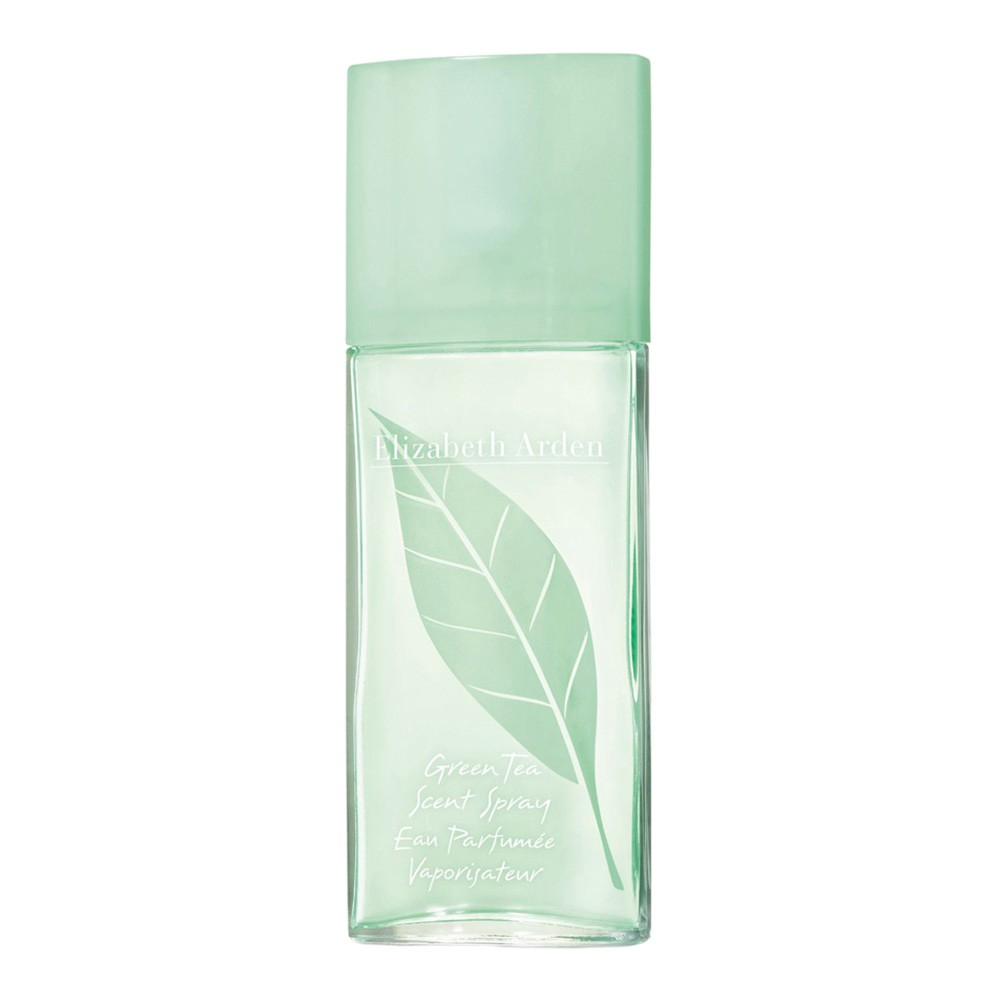
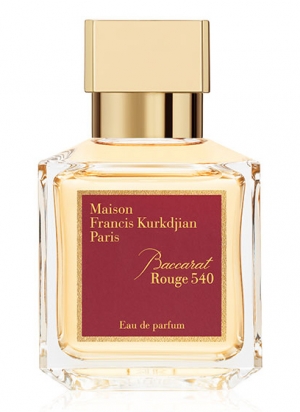
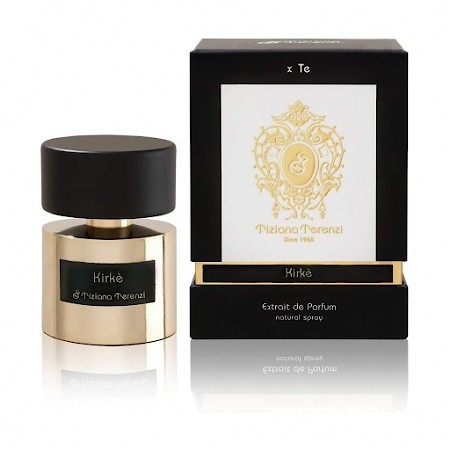
As a rare and niche note, yuzu leaf is not common, primarily found in fragrances from modern independent brands that experiment with botanical and Asian motifs. It can be detected in complex unisex and women's compositions that aim to convey the meditative aesthetic of Japanese nature. To find a suitable fragrance, pay attention to perfumes inspired by green teas, mosses, and citrus gardens, and use note filters in perfume catalogs.
Combinations and Compositions
The yuzu leaf note is an excellent team player. It creates amazing chords with other green notes, such as ambretta with its musky-green hue, or with spicy angelica. In combination with black currant leaf and watery cucumber, it enhances the sensation of juicy, edible greenery. A classic duo is with fig leaf, where milky woodiness softens its bitterness. Yuzu leaf also beautifully highlights floral hearts (such as jasmine or orange blossom) and complements base woody notes, adding freshness.
History and Modern Use
Although yuzu has been used for centuries in Asian medicine and cuisine, its journey into high perfumery began relatively recently—with a wave of interest in exotic and natural ingredients in the late 20th to early 21st century. Perfumers seeking an alternative to classic greenery like galbanum found in the yuzu leaf note a more refined, citrus-herbaceous alternative. Today, it symbolizes the modern trend toward transparent, atmospheric, and intellectual fragrances that tell a story about place and time.
Selection Tips
Fragrances with the yuzu leaf note are a choice for bold and modern personalities who value unconventional freshness. They are ideal for those tired of sweet and floral perfumes and seeking lightness with character. This chord works wonderfully in the heat, providing a sense of coolness, and is suitable for both everyday wear and creative work settings. When choosing, be sure to test the fragrance on the skin: green notes can unfold differently depending on your body chemistry. Look for compositions where yuzu leaf is balanced with woody or musky notes for greater longevity.
Conclusion
Yuzu leaf is a gem for connoisseurs of fine perfumery. Its bitter-green, almost philosophical character offers a breath of fresh air and instantly transports one to the world of Japanese gardens. This note is for those who see in perfumery not just a scent, but a whole journey and emotion. When exploring the world of green notes, start with this rare facet—it may open up a completely new dimension in your perception of fragrances.