





-
 ¯\_(ツ)_/¯...

Anisette Liqueur in perfumery — history, best perfumes, perfumers, pairings
The Anisette Liqueur Note in Perfumery
The Anisette liqueur note is an exquisite and rare guest in the world of perfumery, representing an aromatic interpretation of sweet anise liqueur. It belongs to the niche group "Beverages" and sounds like a seductive, almost pastry-like chord with a deep spicy soul. This note instantly transports one to the atmosphere of an old French bistro, offering not the smell of alcohol, but the warm, soothing sweetness of star anise and licorice with a slight alcoholic warmth. For the perfume gourmand, it opens doors to the world of bold and gastronomic aromatic experiments.
Characteristics and Properties of Anisette
The olfactory profile of the Anisette note is primarily sweetness and spiciness. The characteristic aroma of anise takes center stage: sweetish, slightly medicinal, with hints of freshly baked cookies and licorice candies. Unlike its sharper counterpart—absinthe—anisette lacks the bitter wormwood herbaceousness; it is more rounded, soft, and caramelized. In the fragrance pyramid, this note is most often used in heart chords, where its sweetness serves as a bridge between bright top notes and a warm base. Its longevity is moderate, and its sound is ideal for cooler seasons, creating a sense of coziness and comfort.
Origin and Production of the Aroma
The heart of this perfume note is anise, the seeds of the plant Pimpinella anisum, historically cultivated in the Mediterranean and Middle East. The genuine Anisette liqueur that inspired perfumers originates from France and Italy, where it is traditionally produced by distilling or infusing anise seeds in alcohol with added sugar. In perfumery, the anise note is obtained both from natural essential oil (which contains anethole—the same aromatic compound found in fennel and star anise) and through synthetic analogues, allowing for a more stable and pure "liqueur-like" effect without medicinal nuances. Interestingly, anise was used in perfumery and medicine as far back as ancient Egypt and Rome, valued for its strong, memorable aroma.
Popular Perfumes with the Anisette Note
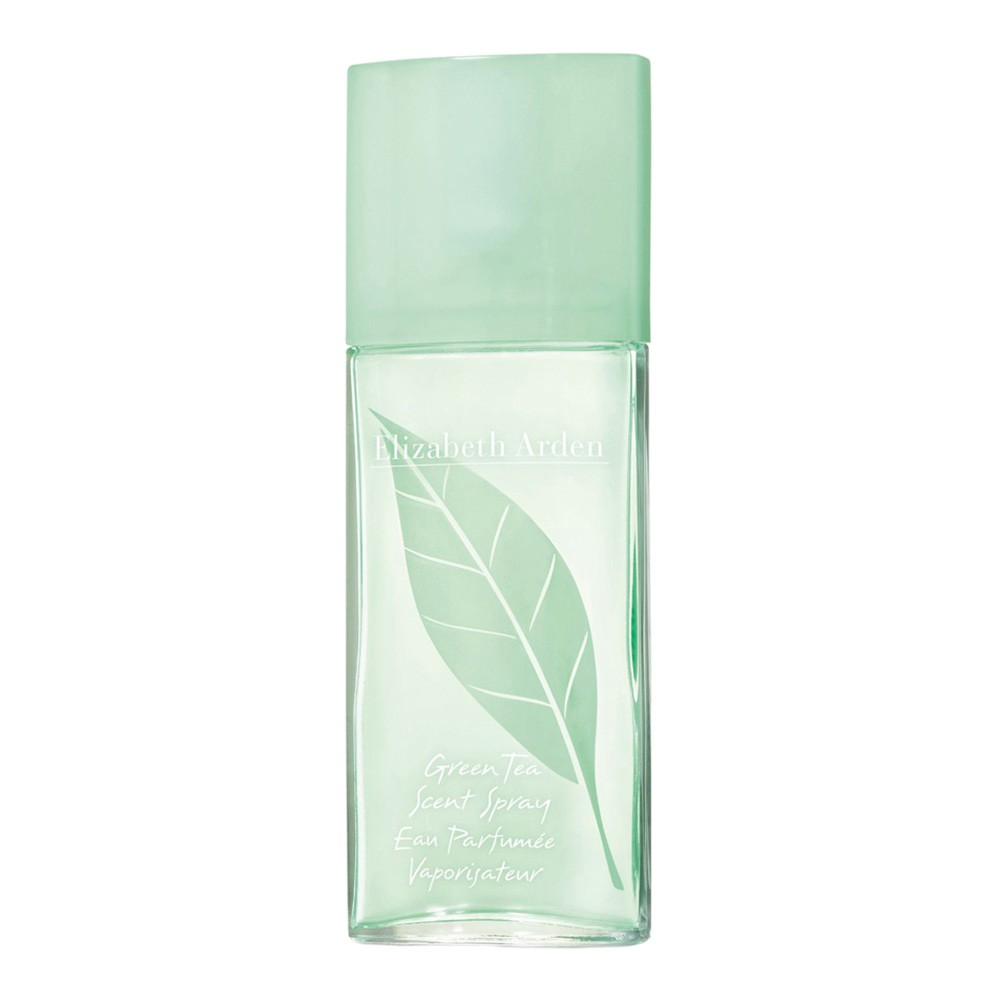
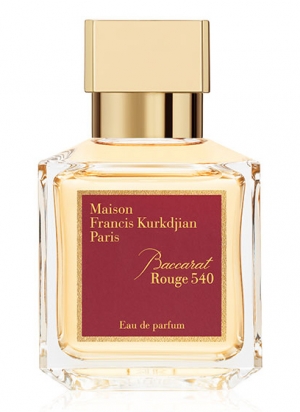
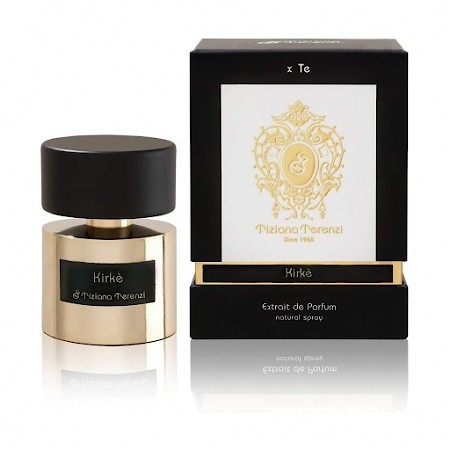
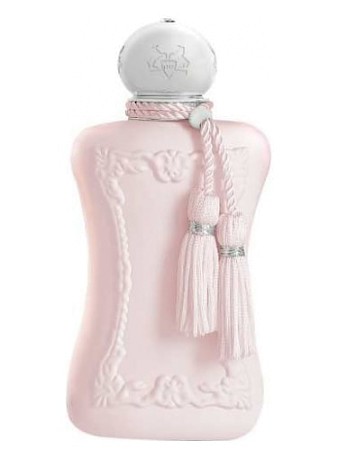
The Anisette liqueur note is a true rarity and gem for collectors. It rarely takes center stage as a solo chord, but where it appears, it gives the composition a unique character. In niche perfumery, it can be found in complex oriental or gourmand fragrances, where it intertwines with vanilla, tobacco, or resins. Due to its specificity, it seldom appears in mass-market scents, making every perfume with its presence a subject of special pursuit. Enthusiasts should pay attention to brands experimenting with alcoholic and spicy chords—it is there that this precious ingredient might be hidden.
Combinations and Compositions
The magic of anisette unfolds in duets and ensembles. Classically, it is paired with other alcoholic notes: warm cognac or tart brandy, which enhance the sensual and mature aspect of the fragrance. To create contrast, it can be balanced with fresh citrus or the playful lightness of champagne. In gourmand compositions, anisette pairs beautifully with vanilla, caramel, almond, and coffee, creating the impression of an exquisite dessert. In tandem with green or floral notes, it acquires unexpected freshness and complexity. Its closest aromatic relatives, aside from absinthe, include notes of fennel, star anise, and licorice.
History and Cultural Context
The history of anise as a flavoring spans millennia, but it was as the sweet liqueur Anisette that it conquered Europe in the 17th-18th centuries, becoming a popular digestif. This note entered perfumery relatively late, during the Art Deco era and the niche boom of the late 20th to early 21st century, when perfumers began actively seeking inspiration beyond traditional floral fields. It became a symbol of boldness, an intellectual approach to fragrance, and a break from clichés. This scent is associated with Parisian cafes, Mediterranean sunsets, and the atmosphere of a sophisticated yet liberated party.
Tips for Selection
Fragrances with the Anisette liqueur note are a choice for self-assured and experimentally inclined individuals. They are ideal for those tired of classic sweet or floral perfumes and seeking something with character, history, and gastronomic charm. Such compositions shine in transitional seasons and cold months, offering a sense of inner warmth. They are suitable for creative meetings, cozy restaurant dinners, or dates—anywhere you want to highlight your individuality and refined taste. When selecting, pay attention to the entire pyramid: it's good if anisette is softened by creamy or woody notes. Boldly try it in combination with leather or patchouli—this could become your unique discovery.
Conclusion
The Anisette liqueur note is more than just an aromatic ingredient; it's a true journey through time and space. It invites one to move away from the familiar and immerse in a world where perfumery borders on culinary art. Rare, sweetly spicy, with a hint of nostalgia, it requires its wearer to be ready for a dialogue with the scent. If you are looking for a perfume that tells an unusual story about you, be sure to listen to this warm, mysterious whisper of anise. Explore the world of alcoholic notes—perhaps here awaits your most unexpected and beloved perfume.