




-
 ¯\_(ツ)_/¯...

Absinthe in perfumery — history, best perfumes, perfumers, pairings
The Absinthe Note in Perfumery
Absinthe, the legendary "green fairy" from the world of alcoholic beverages, transforms into a captivating and complex note in perfumery. It belongs to the "Drinks" olfactory group and offers not gourmet sweetness, but a herbal depth with a mystical trail. This note imparts character, mystery, and a mature, almost intellectual sensuality to compositions, attracting perfume connoisseurs seeking something beyond just floral or fruity lightness.
Characteristics and Aromatic Profile
The olfactory portrait of absinthe is a harmony of bitter herbs, anise coolness, and warm woody tones. In the top notes, a sharp, refreshing anise and tarragon are often perceived, which quickly unfold into the heart, where characteristic bitter wormwood dominates, framed by fennel and other aromatic herbs. In the drydown, resinous, almost balsamic and light woody chords emerge. As an ingredient, absinthe most often serves as a heart note, setting the main character of the composition, and has medium or good longevity, perfectly suited for evening and autumn-winter fragrances.
Origin and Embodiment in Perfume
Natural absinthe, a distillate based on wormwood, anise, and fennel, is rarely used in perfumery production on its own. The modern absinthe note is a virtuoso reconstruction created by perfumers using synthetic molecules and natural components that accurately convey the spirit of the beverage: its cool anise initial wave, deep herbal core, and long, warming drydown. This allows for stability and purity of scent, without relying on capricious natural raw materials.
Iconic Fragrances with the Absinthe Note
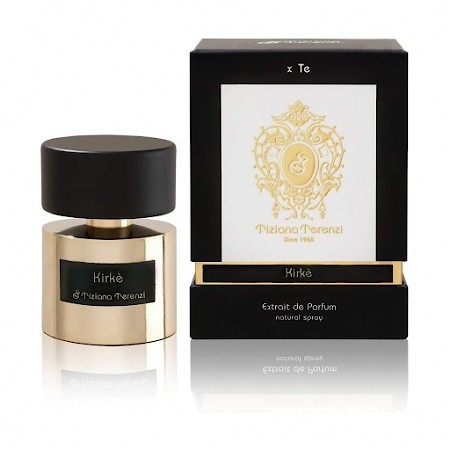
From niche masterpieces to popular hits—the absinthe note finds embodiment in a variety of compositions. For example, in Black Opium Intense by Yves Saint Laurent, it adds mystery to sweet coffee, while in the bold Eros Flame, it contrasts with bright citrus. The brand By Kilian dedicated an entire perfume to the beverage—L'Heure Verte, where absinthe plays the leading role. Niche houses also value its complexity: Laudano Nero by Tiziana Terenzi creates an image of a dark apothecary, and Mandragola by V Canto—a magical, almost witchcraft elixir.
Ideal Combinations and Similar Notes
Absinthe harmonizes beautifully in chords, creating volume and drama. Classic partners for it include sweet vanilla and coffee, smoky incense and benzoin, earthy patchouli and dark woody notes. It is also related to other alcoholic and gourmand notes, such as amaretto, amaro, or anise liqueur, which can serve as either an alternative or a successful complement in complex compositions.
History and Contemporary Interpretation
Historically linked to bohemian culture of the late 19th century, absinthe brought an aura of creative madness and forbidden fruit to perfumery. Today, masters such as Olivier Cresp, Nathalie Lorson, and Bertrand Duchaufour use this note to introduce intellectual depth, contrast play, and references to vintage aesthetics into fragrances. Brands from Mugler to niche houses value it for its ability to create a memorable, almost theatrical image.
Who and How to Choose a Fragrance with Absinthe
Fragrances with an absinthe note are a choice for self-confident individuals who value individuality and complex, non-obvious narratives. They are perfectly suited for cool weather, evening outings, and special occasions when one wants to make an impression. When choosing, pay attention to the entire pyramid: if you love sweetness, look for absinthe paired with vanilla; if you prefer resins and leather—in compositions with labdanum and leather notes. Allow this "green fairy" to unfold on your skin to experience all the magic of its transformations.