






-
 ¯\_(ツ)_/¯...

White Acacia in perfumery — history, best perfumes, perfumers, pairings
What is white acacia in perfumery
White acacia is a rare and exquisite floral note that brings an aura of purity, tenderness, and sunlight to fragrances. Despite its name, it is not directly related to natural raw materials from the famous flowering tree but is a creation of perfumery art. Its synthetically recreated chord is valued for its ability to add roundness, airy freshness, and a unique pollen-like nuance to compositions. This note is a true gem for connoisseurs of refined and non-trivial floral fragrances.
Characteristics and olfactory profile
The scent of white acacia in perfumery unfolds as a multifaceted floral bouquet. It opens with sweet, honeyed nuances that gradually transition into pure, fresh, and slightly green shades. The signature of this note is its light yet recognizable pollen-like trail, adding a touch of languor and naturalness. Due to its versatility, the white acacia chord can play the role of a bright top note setting the first impression, be the heart of the composition, or even form part of a warm, cozy base ensuring longevity.
Origin and perfumery embodiment
Here lies the main intrigue: perfumery "white acacia" owes its existence not to a natural extract but to the skill of chemists and perfumers. There is historical confusion: what is commonly called mimosa is actually silver acacia, from which the famous absolute is obtained. True white acacia (Robinia) is not used for producing perfumery raw materials. Its airy, floral-pollen-like character is recreated in the laboratory by combining various synthetic and natural components. This makes the note especially pure and stable in finished compositions.
Popular fragrances with white acacia note
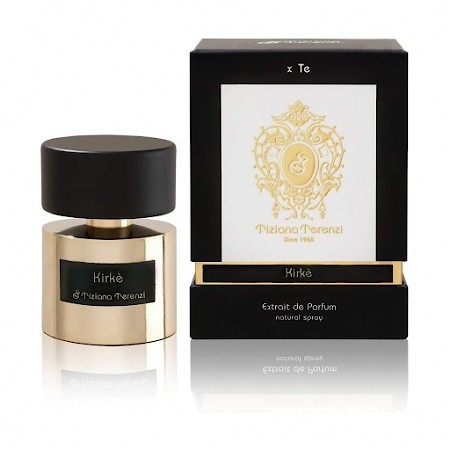
Despite its rarity, the white acacia note can be found in outstanding perfumes. A classic is the floral-green Givenchy - Amarige. A modern interpretation is offered by Tom Ford - Fleur de Portofino — a sunny and citrus-floral fragrance inspired by the Italian Riviera. Exquisite sensuality is introduced by Tiziana Terenzi - Laudano Nero. For freshness and lightness, look to L`Occitane en Provence - Terre de Lumiere and Chopard - Wish. More affordable but no less charming options can be found with Avon - Perceive Soul and Giorgio Armani - Sensi.
Combinations and similar notes
White acacia harmonizes beautifully with other floral notes, creating voluminous and rich bouquets. It is often combined with jasmine, rose, and tuberose. Green and citrus chords, as in Fleur de Portofino, highlight its freshness, while vanilla or benzoin add sweetness and softness. If you are drawn to this note, pay attention to its aromatic "relatives": spicy clove, delicate freesia, powdery geranium, and sweetish heliotrope.
Who should wear perfumes with white acacia chord
Fragrances with this note are the choice of romantic, bright, and joyful personalities. They are ideal for warm seasons, especially spring and summer, evoking the sensation of a stroll through a blooming garden. Such perfumes are suitable for daily life, dates, or the office, as their sound is typically gentle and unobtrusive. When choosing, focus on the integrity of the composition: white acacia can be the leading star or an elegant accent in a complex bouquet. Listen to how it unfolds on your skin in duet with other notes.
The art of perfumers: who uses white acacia
Creating a convincing and elegant white acacia chord is a task for masters. This note is often used by virtuosos such as Alberto Morillas, Dominique Ropion, and Sophia Grojsman. It is employed by niche houses, like Tom Ford and Black Phoenix Alchemy Lab, as well as mainstream giants — Lancôme, Givenchy, and Guerlain. This proves that even an artificially created note can become a source of inspiration and a hallmark of the highest perfumery quality.