






-
 ¯\_(ツ)_/¯...

Borage in perfumery — history, best perfumes, perfumers, pairings
Characteristics and Olfactory Profile of Borage
Borage, also known as borage officinalis (Borago officinalis), is a rare and surprisingly fresh perfumery note from the floral family. Its aroma is difficult to describe unambiguously: it is a cool, green, and moist freshness, reminiscent of freshly sliced cucumber, mixed with a light floral, almost honeyed nuance of the most delicate blue flower. It brings a sense of purity, coolness, and naturalness to compositions, often working as an accent top or heart note. Its longevity is moderate, but it is this initial burst of green freshness that creates that unforgettable, invigorating effect.
Origin and Methods of Obtaining the Note
The note is extracted from the plant of the same name, whose bright blue star-shaped flowers and fuzzy leaves are rich in essential oils. Traditionally, borage is cultivated in the Mediterranean, but it is also common in other temperate regions. In perfumery, both flowers and leaves are used, from which an absolute is obtained through steam distillation or solvent extraction. This is quite expensive and rare natural raw material, so modern perfumers often turn to skillfully created synthetic analogs that reproduce the characteristic cucumber-floral freshness with high accuracy, making the note more accessible and stable in compositions.
Popular Fragrances with Borage Note
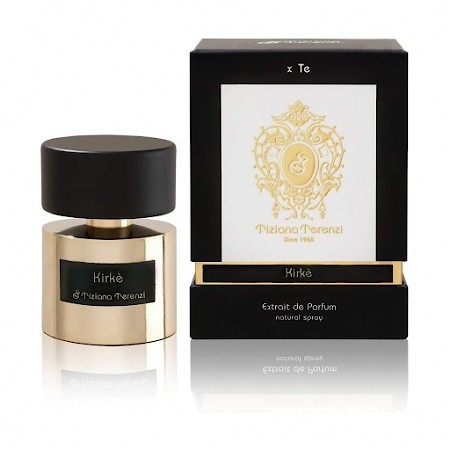
Due to its specificity, borage is more commonly found in the arsenal of niche and art perfumery houses, where it is valued for its uniqueness. Bright examples include Cicuta from the Italian house V Canto or Lucepura from Accendis. The brand Deconstructing Eden has repeatedly used this note in its poetic compositions, for example, in the fragrances Starlit and Lune. Perfumers, like Paolo Terenzi and Maurizio Cerizza, value it for its ability to create unexpected, almost watercolor-like shades in the perfumery palette.
Combinations and Similar Notes
Borage wonderfully unfolds in green, aquatic, and fresh floral chords. It pairs beautifully with other green notes, such as violet leaf or petitgrain, emphasizing its cool nature. It is often combined with citrus to enhance the freshness effect or with light woody accents to create balance. Among similar notes that convey floral freshness with a green tint, one can highlight freesia, geranium, and heliotrope. Together, they can create complex, multi-layered floral bouquets with a unique character.
History and Modern Application
Historically, borage was valued as a medicinal and culinary plant since the times of Ancient Rome, added to salads and drinks to invigorate the spirit. However, its journey into high perfumery began relatively recently, with the development of techniques for extracting subtle aromas. Today, the borage note is a tool for creating modern, intimate, and naturalistic compositions. It is particularly in demand in perfumery striving to convey images of gardens, rain, morning dew, or clean laundry, adding that elusive, lively, and non-synthetic freshness.
Tips for Choosing a Fragrance with Borage
Fragrances with a borage note are a choice for connoisseurs of unconventional freshness. They are ideal for warm seasons—spring and summer—as well as for daytime and office use, as they are not aggressive and are perceived as very clean and neutral. If you love aquatic, green, or light floral fragrances but are looking for something less obvious than marine or citrus chords, it is worth paying attention to this note. When testing, pay attention to its development: how quickly the green cucumber burst transitions into a soft floral trail and how it combines with other components of the perfume.