






-
 ¯\_(ツ)_/¯...

Passion fruit in perfumery — history, best perfumes, perfumers, pairings
Sweet-and-Sour Tropical Explosion
The passion fruit note in perfumery is a true breath of tropical freshness, a bright and sparkling accent that instantly enlivens the composition. As a typical representative of the fruity olfactory family, this accord is rarely found in its natural form, but is skillfully recreated by perfumers in laboratories to give us a pure, unadulterated image of a ripe fruit. Its popularity is explained by its ability to bring optimism, lightness, and sensual playfulness into perfumes, making the scent modern and memorable.
Olfactory Profile and Position in the Pyramid
The aromatic profile of passion fruit is a complex and seductive cocktail. It combines a bright, juicy acidity reminiscent of citrus with a deep tropical sweetness and a barely perceptible tartness. Often, the accord includes a characteristic sulfurous or "stone fruit" nuance that adds depth and realism. In the perfume pyramid, passion fruit most often serves as a top or middle note, responsible for the initial impression of the perfume—invigorating, sunny, and appetizing. Its longevity is moderate, allowing it to smoothly hand over to deeper base accords.
Origin and Creation of the Artificial Accord
Unlike rose or jasmine, passion fruit (or edible passionflower) is not a direct source of essential oil for perfumery. Its unique smell is recreated through a complex synthesis of natural and artificial components. This allows virtuoso perfumers such as Alberto Morillas or Dominique Ropion to play with nuances, enhancing sweetness, acidity, or green aspects to achieve the perfect balance for a specific composition. This approach ensures the stability and purity of the note's expression in a wide variety of formulas.
Popular Fragrances with the Passion Fruit Note
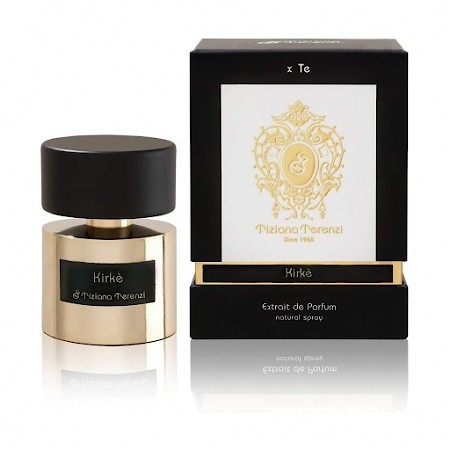
Many renowned brands have appreciated the brightness of this note. In the fragrance Tiziana Terenzi - Kirke, passion fruit creates a juicy, almost exotic backdrop for peach and tuberose. Lancôme - La Nuit Tresor uses it as a sensual, refreshing contrast to sweet vanilla and patchouli. For creating the image of a modern, energetic woman, passion fruit was perfectly suited in compositions like Burberry - My Burberry and Victoria's Secret - Bombshell. Even in niche perfumery, as in Guerlain - Aqua Allegoria Passiflora, this note demonstrates its versatility, highlighting the freshness of a floral bouquet.
Ideal Combinations and Similar Notes
Passion fruit is an excellent team player. It interacts spectacularly with white flowers like jasmine and tuberose, enhancing their fruity nuances. In combination with citrus (bergamot, mandarin), it creates an explosive freshness, while with coconut or peach, it yields a creamy, smoothie-like effect. Thanks to its light green aspect, it sounds interesting in chypre and even some woody compositions. If you enjoy passion fruit, pay attention to other fruity notes with similar playfulness: juicy apple, velvety apricot, or tart black currant.
Who It Suits and How to Choose Your Fragrance
Perfumes with a passion fruit note are the ideal choice for active, cheerful personalities who value lightness and modernity. They are perfect for daytime wear, vacations, summer seasons, and informal gatherings, giving a sense of celebration and carefree joy. When choosing such a perfume, pay attention to the overall character of the composition: for more sensuality, look for combinations with vanilla or patchouli, as in Calvin Klein - Euphoria; for maximum freshness—with aquatic or citrus notes. Apply it to pulse points so that the sweet-and-sour trail unfolds in full force.
A Bright Accent in the World of Fragrances
The passion fruit note has proven that to conquer the perfumery Olympus, a thousand-year history is not necessary. As a creation of modern perfume science, it has become a symbol of joy, freedom, and tropical allure. From bold niche experiments to popular designer hits—its juicy, optimistic expression continues to inspire perfumers and captivate the hearts of those seeking a breath of fresh air and a drop of sunlight in a fragrance.