






-
 ¯\_(ツ)_/¯...

Agave leaf in perfumery — history, best perfumes, perfumers, pairings
Agave Leaf Note in Perfumery
The agave leaf note is a rare and intriguing guest in the world of perfumery, embodying the very essence of green, fresh chords. It brings to compositions the breath of arid prairies, cool succulence, and a light bitter herbal quality. This note rarely plays solo, but as a talented supporting actor, it can transform a fragrance, adding naturalistic depth and bright vegetal character. This page is dedicated to all who seek unusual, botanically precise shades in perfume and appreciate freshness devoid of sweetness.
Characteristics and Aromatic Profile
Agave leaf belongs to the family of green notes, associated with freshly picked foliage, stems, and grass. Its olfactory portrait is a combination of cool, almost watery succulence with a distinct bitter herbal shade. Green, slightly astringent nuances are felt, reminiscent of the juice from a broken stem or the moist skin of a fresh cactus. In the perfume pyramid, it most often unfolds as a heart or base note, providing a persistent but not intrusive foundation. Its longevity can be assessed as medium, and intensity as moderate, making it an ideal component for creating an atmosphere of natural freshness and purity.
Origin and Methods of Extraction
The raw material for this note is extracted from the leaves of various agave species, plants better known for tequila and syrup production. Geographically, it is linked to the arid regions of Mexico and the southern United States. For perfumery, the valuable absolute or concrete obtained by solvent extraction from fresh leaves is used. Natural material is expensive and difficult to produce, so in modern compositions, synthetic analogs that accurately recreate the green, juicy-bitter profile are often used. Interestingly, unlike the sweet juice from the agave core used in food, its leaves yield a completely different, more ascetic and botanical aroma.
Popular Fragrances with Agave Leaf Note
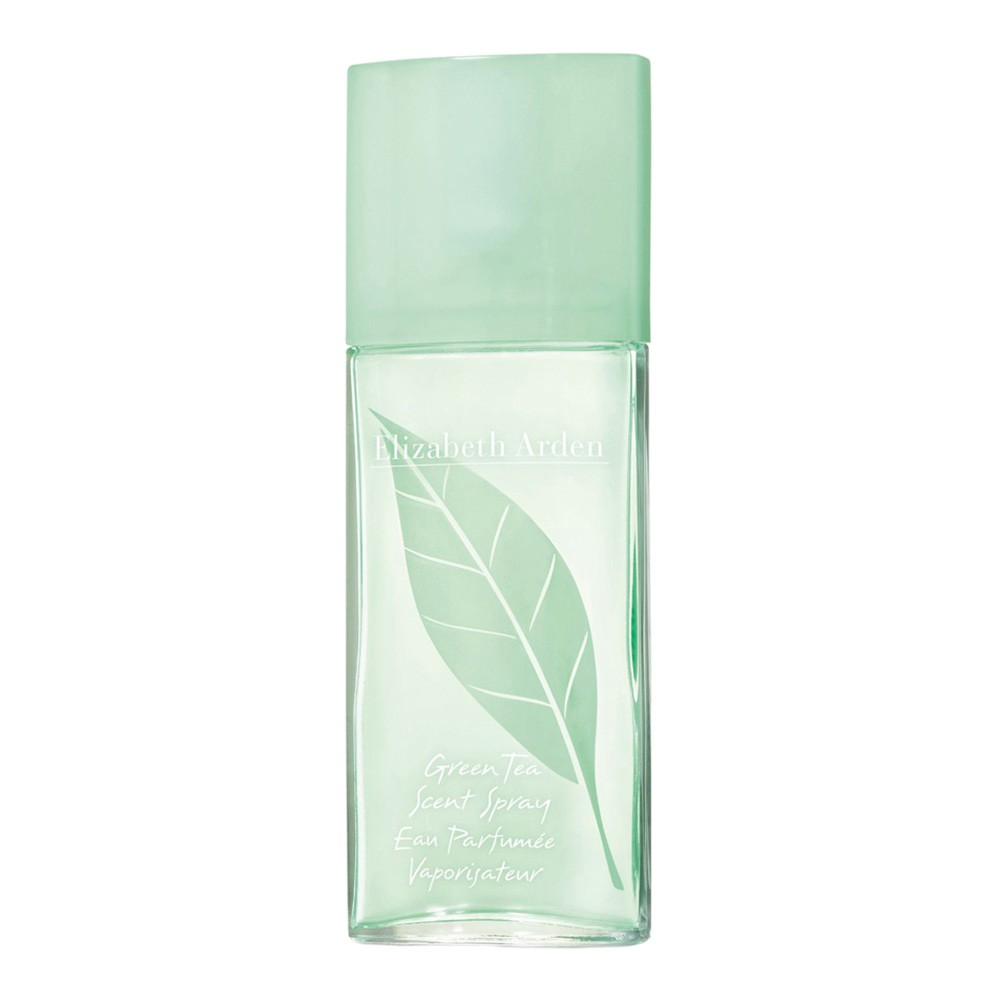
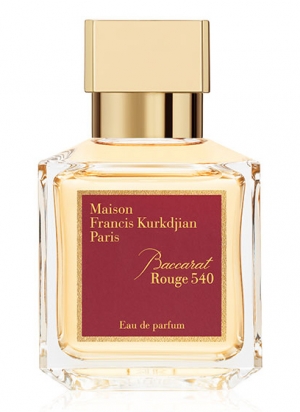
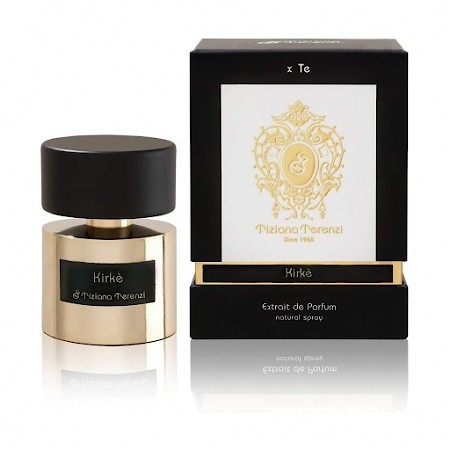
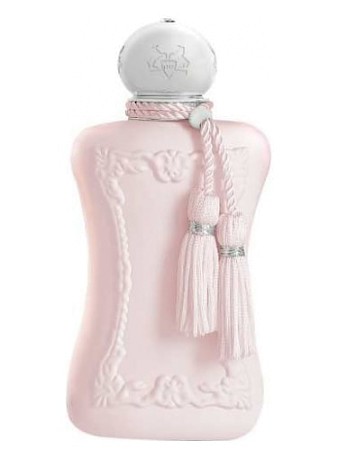
Despite its rarity, the agave leaf note finds application in niche perfumery, valued for its naturalism and ability to create unconventional chords. It can be found in compositions dedicated to desert landscapes, exotic plants, or as a counterpoint to sweet and floral notes. It is most often used by experimental perfumers who strive to move away from classic clichés and offer noses a new, unexpected experience. For example, brands inspired by Mexican flora or "green laboratory" concepts may include this note in their creations to impart characteristic juicy bitterness.
Combinations and Aromatic Compositions
Agave leaf fits perfectly into green and chypre chords. It pairs excellently with citrus notes such as bergamot or grapefruit, adding depth to them, as well as with spicy accents like black pepper or cardamom. In gender-neutral compositions, it is often combined with woody notes such as cedar or patchouli, and transparent musky chords. Among similar notes conveying green freshness and vegetal shades, one can distinguish ambretta, angelica (angelica), juicy cucumber, as well as the warmer fig leaf and the astringent blackcurrant leaf.
History and Use in Perfumery
Historically, agave has been more associated with the food and alcohol industry than with perfumery. Active use of its leaves in perfume compositions is a relatively modern phenomenon, linked to the growing interest in botanical and rare materials in the late 20th to early 21st century. Perfumers began experimenting with this note to create fragrances that tell stories about specific places and ecosystems, moving away from abstract floral bouquets. This reflects the general trend towards hyperrealistic, "nose-to-the-ground" fragrances that transport us directly to the heart of a green cactus garden.
Who It Suits and How to Choose a Fragrance with This Note
Fragrances with a distinct agave leaf note are a choice for bold and modern people who value in perfumery not so much beauty, but character and intellectual challenge. They are ideal for lovers of green, chypre, and aromatic families, those tired of sweet and floral combinations. Such perfume is a wonderful companion for warm seasons, especially spring and summer, as its cool freshness refreshes perfectly. When choosing, pay attention to how the agave note combines with other components: paired with citrus, it will sound bright and invigorating, and with woody notes—more restrained and meditative.
Conclusion
The agave leaf note is a specialized but incredibly expressive tool in the perfumer's palette. It offers a unique experience: freshness with a bitter shade, purity without sterility, connection with nature in its most authentic manifestation. Although it has not become mainstream, it is valued by connoisseurs for its ability to create volume and realism in composition. If you are in search of a fragrance that tells a story about desert wind, juicy plant, and green coolness, be sure to pay attention to perfumes where this unusual accent sounds.