




-
 ¯\_(ツ)_/¯...

Tea in perfumery — history, best perfumes, perfumers, pairings
Tea in Perfumery: The Scent of Calm and Sophistication
The tea note embodies tranquility, purity, and refined simplicity in the world of fragrances. Belonging to the green olfactory group, it imparts a fresh, slightly astringent, and simultaneously cozy character to compositions. Contrary to popular belief, the natural absolute of tea, derived from the leaves of *Thea Sinensis*, does not smell like the familiar green tea from a cup—it is a deeper, woody-herbaceous accord with tobacco and delicately sweet nuances. This versatile note, favored by both niche and mass-market brands, is ideal for creating fragrances that balance freshness and warmth.
Characteristics and Olfactory Profile
The natural absolute of tea is a viscous, dark-amber liquid obtained through leaf extraction. Its aroma is multifaceted: a dry, slightly bitter greenery reminiscent of twisted tea leaves, with light woody notes and a smoky, almost tobacco-like trail. In the perfume pyramid, tea most often serves as a top or middle note, setting a fresh, yet not harsh, tone for the composition. Its longevity can vary, but it is typically moderate, fitting perfectly into light daytime and all-season fragrances.
From Leaf to Bottle: Origin and Production
Raw materials for the natural note are primarily produced in France and America by processing tea leaves. However, in modern perfumery, expertly crafted synthetic accords that mimic various tea varieties and impressions are much more commonly used. This is how popular notes of green, white tea, or even specific beverages like Japanese matcha or Indian masala are born. These accords, composed by talented perfumers such as Jean-Claude Ellena or Alberto Morillas, offer greater creative freedom and scent stability.
Popular Fragrances with a Tea Note
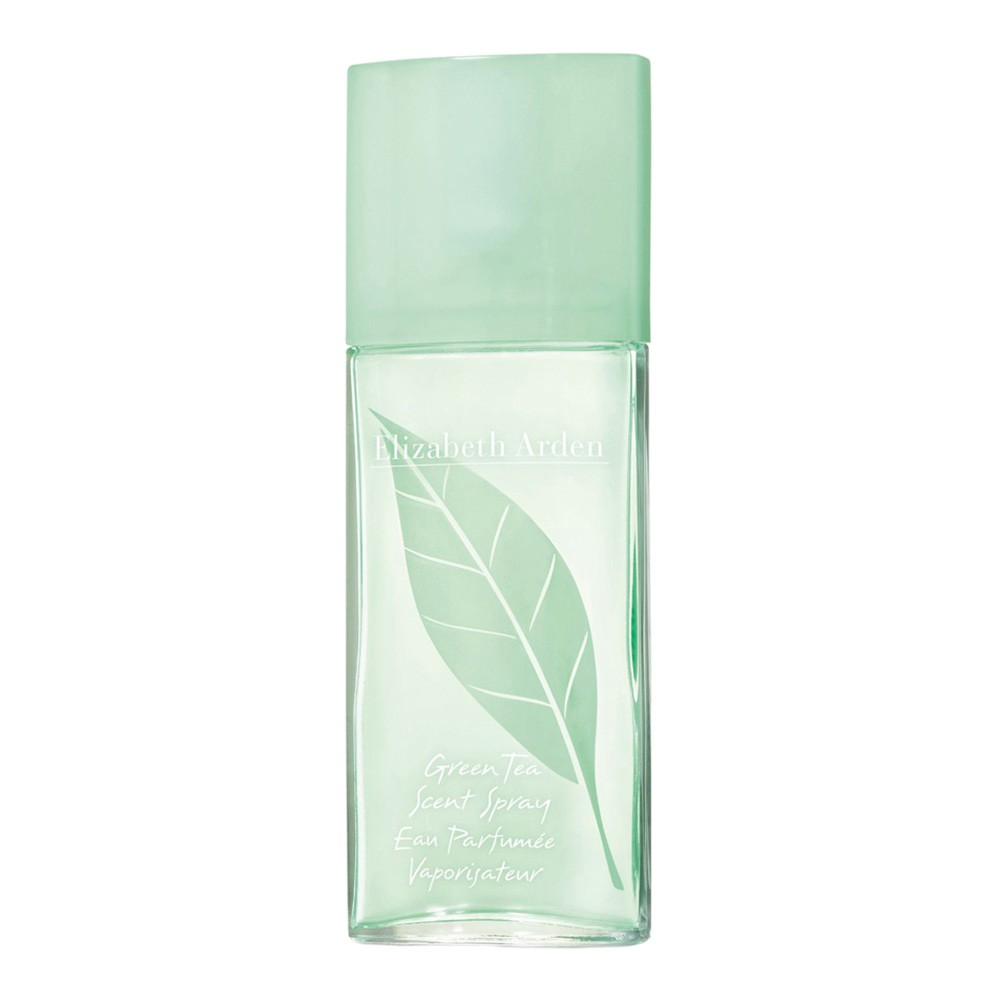
The tea note appears in a wide range of perfumes—from airy florals to dense orientals. Classics include fresh and transparent compositions like Bvlgari Omnia Crystalline or Lanvin Éclat d'Arpège. A playful and modern interpretation is offered by Guerlain La Petite Robe Noire, where tea complements a cherry-almond dessert. More bold and intense interpretations can be found in Amouage Epic Woman or the rebellious Guerlain Black Perfecto. Brands like Givenchy, Burberry, and Demeter also actively use this note in their collections.
What Notes Pair Well with Tea
Tea is an excellent team player. It beautifully complements citrus and bergamot, enhancing the freshness of top notes. Paired with floral accents, especially jasmine and freesia, it adds airiness and elegance to the composition, as seen in Viktor & Rolf Flowerbomb. Woody and musky notes, like in Burberry The Beat, lend contemporary dynamism and a warm trail to the tea note. Similar green and fresh facets are found in notes like agave or adoxal.
Who Should Choose Tea Fragrances and When
Tea perfumes are the choice for those who appreciate understated elegance and natural beauty. They are ideal for the office, everyday wear, walks, and any situation where lightness and subtlety are important. These fragrances are often chosen by those seeking an alternative to sweet or heavy compositions. They excel in warm seasons, spring and summer, providing a sense of coolness, but can also warm up in autumnal bouquets. When selecting, focus on the overall mood of the perfume: tea can be the main protagonist in a transparent bottle or a wise accompaniment in a complex symphony.