





-
 ¯\_(ツ)_/¯...

Petitgrain in perfumery — history, best perfumes, perfumers, pairings
Petitgrain: The Fresh Bitterness of Bitter Orange
Petitgrain is a vibrant top note, derived from the leaves and twigs of the bitter orange tree (Citrus Aurantium amara). It holds a special place in perfumery, offering not the direct sweetness of citrus, but its elegant, bitter-green facet. This note introduces freshness, austerity, and a subtle melancholy to compositions, making the fragrance more complex and intriguing. This information is valuable for anyone seeking unconventional fresh accords or wanting to delve deeper into the structure of their favorite perfumes.
Characteristics and Olfactory Profile
In the fragrance pyramid, petitgrain resonates as a top note, providing a bright and rapid opening. Its aromatic profile is a fresh, bitterish greenness with a distinct citrus echo and a light floral trail reminiscent of orange blossom (neroli). Despite belonging to the citrus olfactory family, petitgrain is often perceived as a green note. It has good longevity for top notes and is ideal for the spring-summer season, imparting a sense of coolness and purity.
Origin and Methods of Extraction
Natural petitgrain essential oil is obtained through steam distillation from young shoots and leaves of the bitter orange tree. The main production regions are Paraguay, Brazil, the Dominican Republic, and France (the Grasse region). The resulting raw material is a mobile liquid with a light yellow tint. Perfumers value both pure petitgrain and its co-distillate with bitter orange flowers, which gains a more pronounced floral character. In modern perfumery, synthetic analogs are also actively used to ensure stability and accessibility of this refined note.
Popular Fragrances with the Petitgrain Note
This note appears in perfumes across various genres and price categories. It lends classic freshness and elegance to fragrances such as Chanel - Platinum Égoïste and Bvlgari - Aqva Pour Homme. In niche compositions, for example in Montale - Boise Fruite, it reveals its fruity-woody side. It creates a light, sunny aura in Tom Ford - Eau de Soleil Blanc, and an accessible tenderness in Lanvin - Éclat d'Arpège. Lovers of natural accords should pay attention to Yves Rocher - Secrets d'Essences Neroli.
Combinations and Similar Notes
Petitgrain is incredibly versatile in combinations. It forms excellent accords with other citrus notes, such as bergamot and bitter orange, enhancing freshness. With woody notes (sandalwood, cedar), it creates restrained, elegant compositions, and with aromatic herbs (rosemary, lavender), invigorating and sporty ones. Its closest relatives in sound are chinotto blossom and neroli, which, however, often sound sweeter and more floral.
History and Use in Perfumery
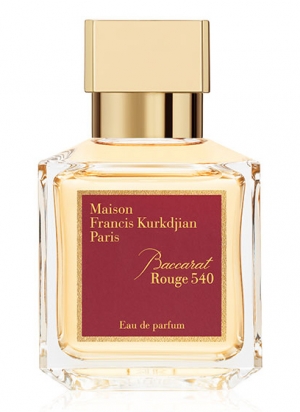
The name "petitgrain" (from French "little grain") is historically linked to the method of distillation from unripe fruits resembling small grains. Over time, leaves became the primary raw material. The note has become a classic tool for creating fresh accords in eaux de cologne and chypre compositions. Today, it is used by leading perfumers, including Jacques Cavallier-Belletrud and Francis Kurkdjian, to add a natural, bitter twist and complexity to modern fragrances.
Who and How to Choose a Fragrance with Petitgrain
Fragrances with a dominant petitgrain note are suitable for connoisseurs of restrained, intellectual freshness. They are ideal for the office, everyday wear in warm seasons, or for creating a sense of cleanliness and composure. When choosing, pay attention to the composition: for a first introduction, it is better to opt for a classic citrus-aromatic or fougère perfume, such as Chanel - Platinum Égoïste. If seeking a more unusual sound, explore niche brands where petitgrain may be combined with exotic fruits or spices.
Conclusion
Petitgrain is a bridge between the world of juicy citrus and bitterish greenery. It evokes not a ripe fruit, but a freshly picked branch with leaves infused with sunlight. This note makes a perfume lively, dynamic, and multifaceted. By exploring fragrances with its participation, you discover a whole layer of elegant and timeless perfumery. To find your ideal option, explore the catalog and read reviews of perfumes where this beautiful note resonates.