






-
 ¯\_(ツ)_/¯...

Rosewood in perfumery — history, best perfumes, perfumers, pairings
What is Rosewood in Perfumery
Rosewood, or palissander, is one of the most intriguing and mysterious notes in the world of fragrances. It is a fantasy accord that does not have a single natural source but is born in the imagination of perfumers. It is valued for its ability to give a composition a noble, refined woody depth with cool freshness and a subtle floral trail. This note is a secret weapon for creating complex, multifaceted, and refined perfumes that captivate with their warmth and elegance.
Characteristics and Aromatic Profile
Olfactorily, rosewood belongs to the woody group. Its sound is a soft, cool, and fresh woody background, often enriched with delicate floral or slightly spicy shades. Thanks to its versatility and good longevity, it can play different roles: as a refreshing top note, as a heart that gives structure, or as a stable base note that gently completes the pyramid. Its abstract character makes it an ideal tool for creating modern, complex accords.
Origin and Creation of the Fantasy Note
In nature, several valuable wood species, such as Brazilian rosewood, are called rosewood, but none of them are directly used in perfumery due to rarity and protected status. The perfumery note "rosewood" is a creative interpretation. Often, it is inspired by the scent of rosewood (Aniba rosaeodora), whose oil is rich in linalool, a substance with a pure, fresh smell. Modern perfumers create this accord by skillfully mixing natural and synthetic components to achieve the desired effect—a noble, dry, velvety-woody sound.
Iconic Fragrances with the Rosewood Note
Thanks to its versatility and charm, rosewood is found in many famous perfumes. It adds warmth and complexity to oriental compositions, as in the legendary Dior - Poison or the sensual Dior - Hypnotic Poison. It can be found in woody masterpieces like Tom Ford - Oud Wood, and in fresh, elegant creations such as Chanel - Cristalle or the delicate Sarah Jessica Parker - Lovely. This note is also present in mass-market fragrances, including Avon - Tomorrow, making the noble woody sound accessible to everyone.
What Rosewood Pairs With and Similar Notes
Rosewood is a brilliant team player. It harmonizes beautifully with spicy notes (cinnamon, cardamom), adding softness to them, and creates luxurious duets with sandalwood, patchouli, or amber. In floral compositions, it serves as the perfect woody base for rose, jasmine, and ylang-ylang. If you're looking for similar alternatives, pay attention to other noble woody accords, such as Akigalawood with its peppery notes or the delicate Albizia (Silk Tree).
Who Perfumes with Rosewood Are For
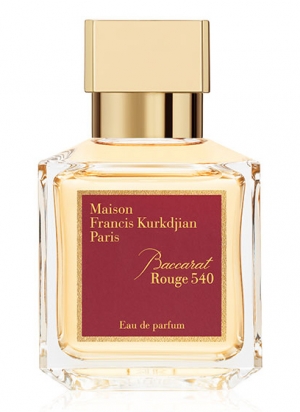
Fragrances with this note are a choice for those who value emphasized elegance, inner strength, and complex character. They are equally suitable for self-confident women and men seeking non-trivial woody accents. Thanks to its warm but fresh nature, rosewood is surprisingly versatile in terms of seasonality: warming compositions with it are perfect for autumn and winter, while fresher and more transparent options are for spring and summer. When choosing, pay attention to the works of perfumers who often use this note, for example, Dominique Ropion or Francis Kurkdjian.