




-
 ¯\_(ツ)_/¯...

Tangerine in perfumery — history, best perfumes, perfumers, pairings
Characteristics and aromatic profile of tangerine
Tangerine is one of the sunniest and most optimistic citrus notes in perfumery. Unlike sharp lemon or bitter grapefruit, its aroma is a sparkling blend of juicy sweetness and light, lively acidity. It smells like a ripe, freshly peeled mandarin with barely perceptible floral and fruity-honey overtones. In the perfume pyramid, tangerine most often plays the role of the top, introductory note, instantly giving the composition a sense of freshness, vitality, and carefree happiness.
As a typical representative of the citrus olfactory family, tangerine has good volatility, but modern perfumery technologies allow its sound to be fixed, making it more long-lasting in chord compositions. This note is associated with summer sun and spring energy, but it can also warm up in the autumn-winter period, adding a bright, life-affirming ray to the heavier compositions of that time.
Origin and extraction of the essence
The birthplace of this citrus is considered to be China, from where it spread around the world. Today, the main plantations for the perfume industry are in the USA (especially Florida), Italy, China, and Brazil. Interestingly, in the USA, tangerine has become an unofficial symbol of Christmas holidays, and its oil is widely used in aromatherapy to relieve stress and tension.
Tangerine essential oil is obtained by cold pressing from the peel of the fruit. For perfumery, synthetic analogs are more often used—tangelone or tangere, which have a more stable and controlled odor, devoid of natural phototoxicity. This allows for the creation of long-lasting and skin-safe compositions while preserving the characteristic juicy-sweet citrus profile.
Popular perfumes with the tangerine note
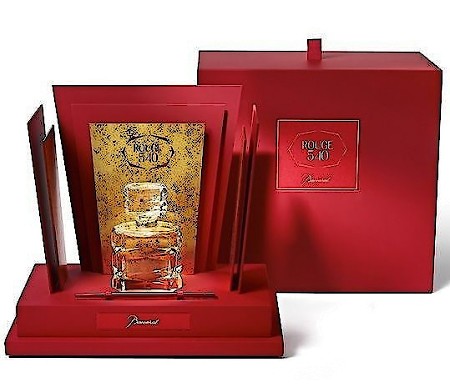
Tangerine is a favorite of both mass-market and niche houses. It can be found in bright, cheerful women's fragrances, where it sets the tone for the entire composition. A classic example is the sensual Lancôme - La Nuit Tresor, where tangerine plays in a duet with lychee and vanilla. It is also incredibly popular in fruity-floral hits, such as the playful Victoria's Secret - Bombshell or the romantic Yves Saint Laurent - Mon Paris.
Masters of perfumery art, such as Alberto Morillas and Dominique Ropion, often turn to this note to add instant appeal and juiciness to their creations. Brands from Dior to Zara appreciate tangerine for its versatility and ability to make a fragrance modern and friendly.
Combinations and aromatic chords
Tangerine is an excellent team player. It pairs perfectly with other citrus fruits, enhancing the overall sense of freshness: especially harmonious are duets with bergamot and bitter orange. Its slightly sweet character makes it a natural ally for red berries, peach, lychee, and floral notes, especially jasmine and freesia.
In bolder compositions, tangerine can contrast with spicy accents, woody bases, or even patchouli, creating an interesting play of light and shadow. If you're looking for alternatives, pay attention to notes similar in character: chinotto blossom or the more intense bigaran.
Who and how to choose fragrances with tangerine
Fragrances with a leading tangerine note are the perfect choice for active, cheerful, and open-minded people. They are suitable for everyday wear, office, daytime dates, and summer holidays. If you're looking for a perfume that lifts your mood from the first spray and doesn't weigh down your image—tangerine is your faithful helper.
When choosing such a perfume, pay attention to how the note develops on your skin. Look for compositions where the tangerine doesn't "drop out" immediately, but beautifully transitions into heart notes. For cooler times of the year, choose fragrances where tangerine is warmed by vanilla, amber, or sandalwood, as in the cozy Burberry - London For Women. Experiment boldly—this sunny note is rarely intrusive and suits almost everyone.