





-
 ¯\_(ツ)_/¯...

Oak moss in perfumery — history, best perfumes, perfumers, pairings
What is Oak Moss
Oak moss is a legendary fragrance note that brings depth, mystery, and a cool, damp earthiness to perfumes. Once the heart of classic chypres, this raw material is shrouded in an aura of nostalgia and strict regulations. Today, its spirit, whether in natural or recreated form, continues to live on in modern compositions, adding an exquisite velvety quality and forest charm. If you appreciate complex, structured fragrances with character, getting to know this note will be an exciting journey into the history and chemistry of perfumery.
The Aromatic Portrait of Oak Moss
The olfactory profile of oak moss is incredibly rich. It is the quintessence of a damp forest after rain: a cool, mushroomy, earthy base with distinct woody and slightly balsamic undertones. Sometimes, subtle nuances of dried herbs, leather, and coumarin are discernible, adding a sweet-bitter accord. As a middle and base note, oak moss has exceptional longevity and the ability to "cement" a composition, giving it density, velvetiness, and a long-lasting trail. It is ideal for cool weather, adding warmth and volume to autumn-winter fragrances.
From Forest to Bottle: Origin and Extraction
Natural oak moss is the lichen Evernia prunastri, which grows on the bark of oak and other trees, mainly in the mountainous forests of the Mediterranean and Central Europe. For perfumery, the raw material is harvested and processed through extraction methods to obtain a resinoid or absolute—thick, dark substances with a concentrated aroma. However, due to the content of potential allergens, the use of natural oak moss is strictly limited by the international association IFRA. This has led to a flourishing of perfumery chemistry: synthetic analogs such as evernil (Evernil) or Florymoss now recreate its character, offering a cleaner and safer woody-mossy effect.
Iconic Fragrances with Oak Moss Accords
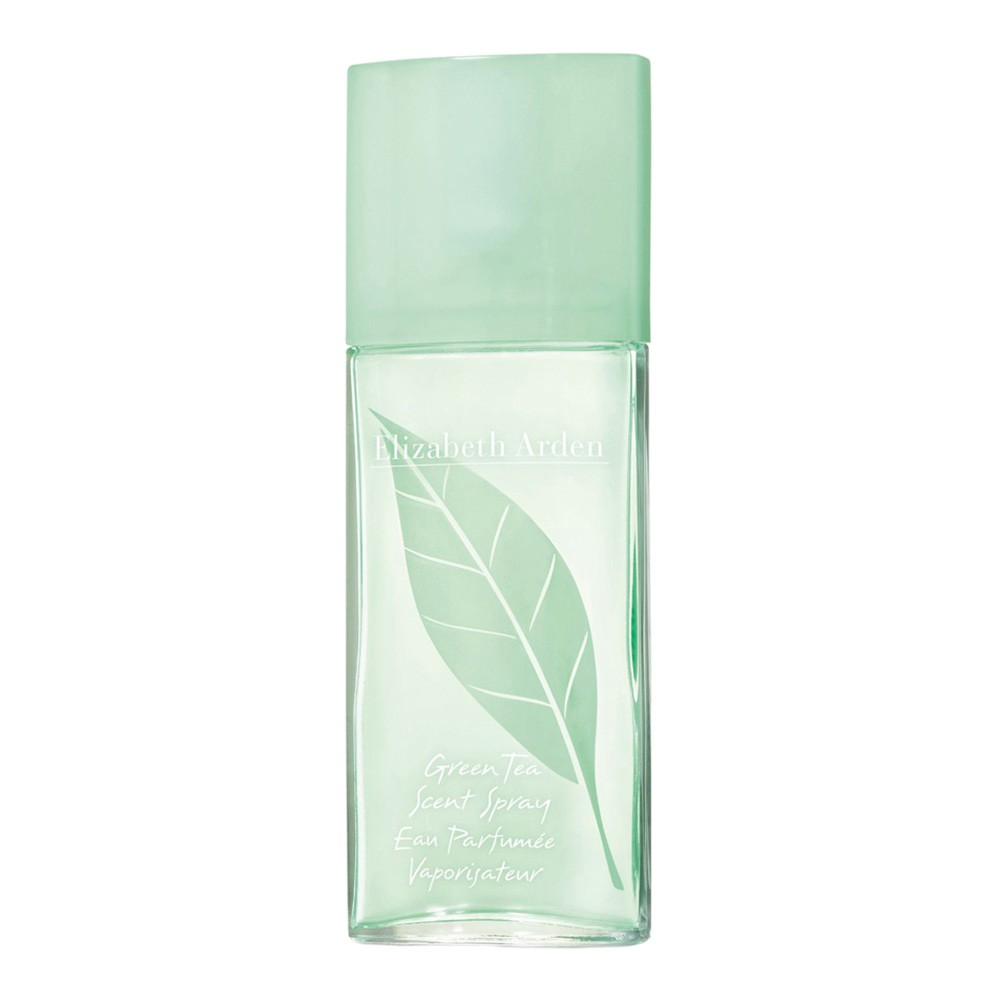
Despite the restrictions, the spirit of this note lives on in many iconic perfumes. In the luxury segment, it resonates in the mysterious Tom Ford Black Orchid and romantic Sisley Soir de Lune. More affordable but no less impressive examples include the fresh Elizabeth Arden Green Tea and playful Moschino Funny!. Brands like Chanel, Guerlain, and Dior have historically widely used this note to add depth to their classic chypres.
What Notes Pair Well with Oak Moss
Oak moss is a master at creating harmonious contrasts. The classic and unparalleled union is the chypre accord, where it meets bergamot and patchouli. It wonderfully complements the sweetness of floral heart notes, as in Givenchy Ange ou Demon, and adds intellectual coolness to citrus compositions, as in Chloé L'Eau de Chloé. Among similar notes that provide an earthy effect, one can highlight cedar moss (drier and woodier) and earthy notes.
History and Heritage in Perfumery
Oak moss is a pillar of 20th-century perfumery heritage. With its help, François Coty defined the "chypre" genre in 1917, giving the name to the fragrance Chypre. For decades, it was an essential component for creating complex, elegant, and slightly melancholic compositions. IFRA restrictions in the 2000s formally "buried" the classic chypre, but this precisely stimulated perfumers like Bertrand Duchaufour or Dominique Ropion to seek innovative ways to recreate its magic using modern synthetic materials.
Who Should Wear Fragrances with Oak Moss
Fragrances with this note are a choice for those who appreciate depth and character. They are perfect for self-assured individuals who seek not just a "pleasant smell," but an intellectual, multifaceted story. Such perfumes shine in cool weather, in the evening, or in the office, creating an aura of mystery and impeccable taste. When choosing, focus on the sensation of velvety, cool depth in the trail—this is a sure sign of the mossy note at work. You can start by exploring modern interpretations, where this note is softened by fruity or floral accents.