



-
 ¯\_(ツ)_/¯...

Rhubarb in perfumery — history, best perfumes, perfumers, pairings
What is Rhubarb in Perfumery
Rhubarb in perfumery is a bright and unexpected note that brings purity, playfulness, and modern freshness to a composition. Although the plant itself is known for its culinary properties, in the world of fragrances, it unfolds as a dynamic green accord with a characteristic tartness. The peak popularity of this note occurred in the early 2010s, when perfumers began actively seeking new, nontrivial ways to refresh classic genres. Today, rhubarb is the choice for those who seek lightness, originality, and a slight hint of boldness in their fragrant trail.
Characteristics and Olfactory Profile of the Rhubarb Note
Rhubarb belongs to the green olfactory group and most often works as a top or middle note. Its aromatic profile is a complex cocktail of freshness, bitter greenery, and a recognizable sweet-and-sour, slightly "sulfuric" juiciness, reminiscent of a freshly picked stem. This note has moderate longevity and high diffusion, instantly enlivening the composition, making it airy and transparent. It is ideal for the spring-summer season, offering a feeling of coolness and naturalness.
Origin and Creation of the Perfume Accord
Interesting fact: there is no natural essential oil of rhubarb suitable for perfumery. Its characteristic accord is completely recreated by talented perfumers using a mixture of synthetic and sometimes natural components. This artificial reconstruction allows achieving a perfect balance between tartness, greenery, and sweetness, which is difficult to obtain from natural raw materials. This approach gives creators complete freedom, allowing them to "play" with the shades of the note, making it more fruity, mineral, or floral depending on the concept.
Popular Fragrances with the Rhubarb Note
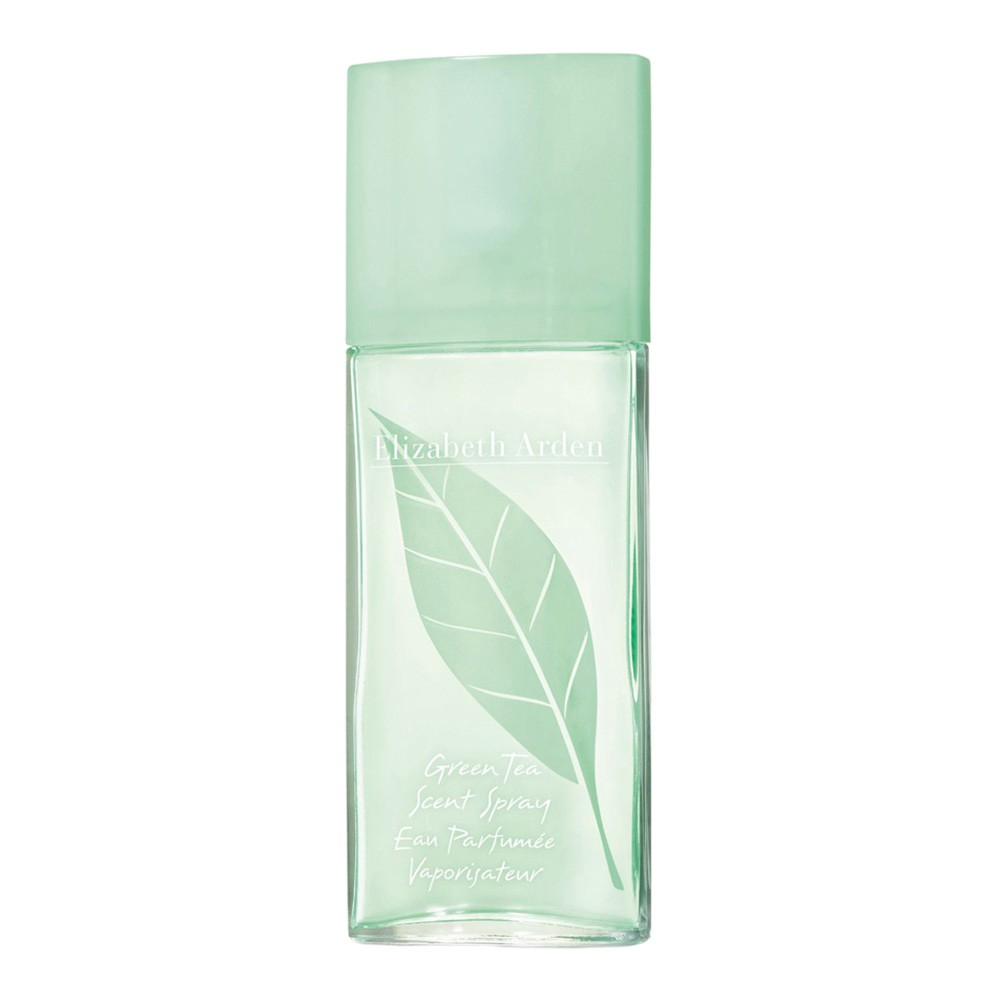
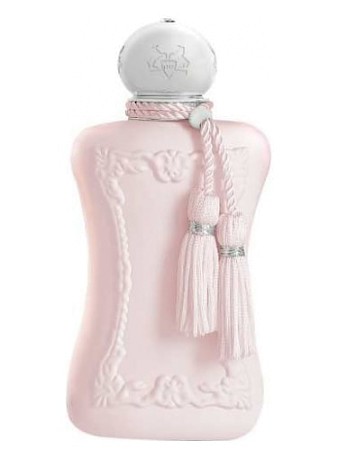
Rhubarb can be found in perfumes of various styles and price categories. In feminine and playful compositions, such as Dolce & Gabbana 3 L'Impératrice or Parfums de Marly Delina, it adds juicy fruitiness. In niche creations, for example, in the mysterious Mugler Aura or philosophical Amouage Honour Woman, rhubarb brings contrast and a contemporary sound. It is also appreciated for its ability to refresh classical forms, as seen in the light Elizabeth Arden Green Tea or elegant Byredo La Tulipe.
What Notes Pair Well with Rhubarb
Thanks to its versatility, rhubarb forms excellent duets and accords. A classic combination is with citrus notes (bergamot, lemon) and other green notes, such as adoxal or agave, which enhance its freshness. To create fruity-floral compositions, it is often combined with red berries, peony, jasmine, and lily of the valley. Bold perfumers use rhubarb as a contrasting element in gourmand or woody accords, where its tartness sets off the sweetness of vanilla or the warm notes of sandalwood.
Tips for Choosing Perfumes with Rhubarb
Fragrances with a dominant rhubarb note are ideal for active, cheerful people who value lightness and uniqueness. They work wonderfully during the daytime, for the office, walks, or casual dates. When choosing, pay attention to the overall character of the composition: rhubarb surrounded by flowers and fruits will give tenderness, while combined with green or woody accords, it will offer a cooler, more intellectual aura. For a first try, it's worth considering affordable options from Yves Rocher or the refreshing classic from Lancôme.
Perfumers and Brands in Love with Rhubarb
This juicy note is highly valued by many masters of contemporary perfumery. Among them are the virtuoso of fresh accords Alberto Morillas, the bold experimenter Bertrand Duchaufour, and the subtle minimalist Jean-Claude Ellena. The rhubarb note can be found in collections from both mass-market brands (Avon, Oriflame) and luxury houses, such as Guerlain and Givenchy, proving its universality and timeless appeal.