





-
 ¯\_(ツ)_/¯...

Earl Grey tea in perfumery — history, best perfumes, perfumers, pairings
What is the Earl Grey tea note
The Earl Grey tea note in perfumery is not just a memory of a cup of aromatic drink, but a complex and sophisticated chord, combining the dry astringency of black tea with the bright, refreshing bitterness of bergamot. It brings a sense of refined comfort, intellectual depth, and aristocratic restraint to compositions. This note, belonging to the 'Drinks' family, is a favorite among both mass-market brands like Elizabeth Arden and niche houses such as Penhaligon's, offering endless variations from light citrus bursts to sensual gourmand trails.
Characteristics and sound of the note
The olfactory profile of Earl Grey is recognizable: it's a dry, slightly astringent bitterness of tea leaf, enveloped in a fresh, bittersweet haze of bergamot. Thanks to the citrus components of bergamot, the note often appears in the top or middle registers of the fragrance pyramid, providing initial freshness. However, deep tea notes can also serve as a warm, cozy background. By nature, it is a versatile note with medium longevity, which sounds perfect in transitional seasons, offering necessary warmth in cool autumn and light coolness in hot summer.
Origin and creation of the fragrance
The perfumery note of Earl Grey tea recreates the aroma of the eponymous blend, whose history dates back to Victorian England. The key component is bergamot oil, a citrus fruit grown mainly on the coast of Calabria in Italy. In perfumery, both natural, expensive essential oil, obtained by cold pressing from the peel, and its synthetic analogs (e.g., linalyl acetate) are used, allowing for a stable, photostable, and safe sound, free from the natural phototoxicity of bergamot. The tea chord itself is often modeled by a combination of black tea absolute and various green, dry notes.
Popular fragrances with the Earl Grey tea note
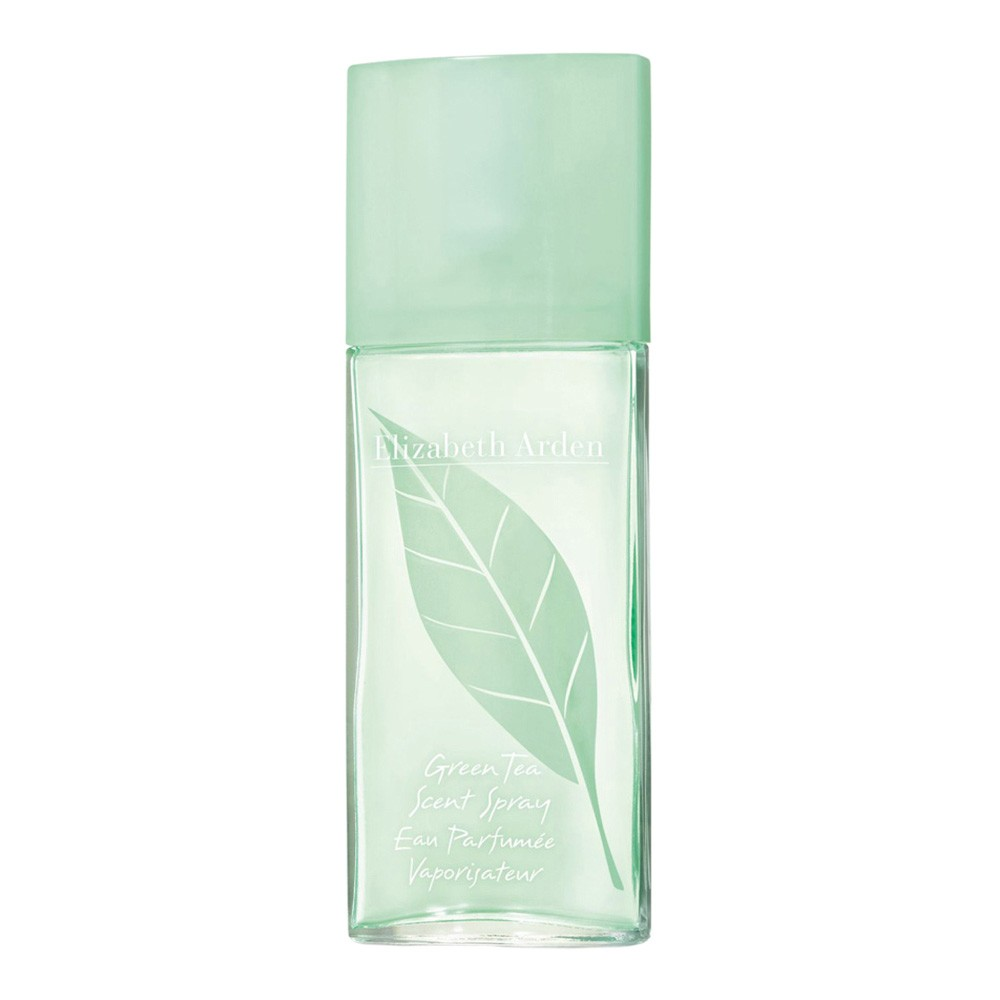
This note opens up a huge range of interpretations. In the fresh and watercolor Elizabeth Arden Green Tea Pomegranate, it plays in tandem with fruitiness. Penhaligon's Malabah transforms it into a spicy-oriental journey with ginger and cardamom. A true gourmand masterpiece is considered Kerosene Unknown Pleasures by perfumer John Pegg, where Earl Grey tea sounds like part of a dessert—with lemon, honey, and vanilla. And in Atkinsons Oud Save The King, the noble tea note softens the power of oud, creating a complex modern chypre.
What does Earl Grey tea pair with
The versatility of the note is revealed in stunning combinations. The classic is considered a duet with citrus fruits (lemon, mandarin), which enhances the freshness of bergamot. Floral chords, especially jasmine and rose, add sensuality and volume. Woody notes, such as sandalwood or cedar, give the composition solidity and a warm trail. In gourmand perfumes, Earl Grey tea is wonderfully complemented by vanilla, iris, or honey. Among similar notes from the 'Drinks' group, one can highlight the herbaceous absinthe or sweet-almond amaretto, but it is Earl Grey that maintains a unique balance between invigorating coolness and soulful warmth.
History and modernity in perfumery
Although tea notes in perfumery gained mass popularity in the 1990s, Earl Grey long remained an ingredient for connoisseurs and niche experiments. Its associations with English classics and elegance attract perfumers seeking to create an intellectual, understated, and quality image. Today, this note is actively used by masters such as Paolo Terenzi and Rodrigo Flores-Roux, incorporating it into both light aquatic compositions and rich oriental or modern chypres.
Who are fragrances with Earl Grey tea suitable for
Perfumes with this note are a choice for appreciators of subtle, unobtrusive beauty. They are ideal for the office, everyday wear, and occasions when you want to feel composed and cozy. This is an excellent option for unisex perfumery, sounding equally organic on both men and women. If you are looking for a fragrance that does not shout but conducts an intelligent conversation, has character but lacks aggression—feel free to try compositions with the Earl Grey note. For a first trial, choose samples during daylight hours to appreciate how the citrus freshness of bergamot unfolds on your skin, gradually warming with tea shades.
The Earl Grey tea note is a bridge between tradition and modernity, between invigorating freshness and home comfort. It proves that the most inspiring fragrances often hide in familiar moments of life, waiting for a talented perfumer, like Thomas Fontaine, to turn them into true art. Exploring perfumes with this note opens up a whole universe of exquisite, deep, and incredibly atmospheric scents.