





-
 ¯\_(ツ)_/¯...

Litsea cubeba in perfumery — history, best perfumes, perfumers, pairings
What is Litsea Cubeba and How Does It Smell
Litsea cubeba is an exotic perfume note derived from a small Asian tree, known by poetic names such as "may chang", "mountain spice tree", or "Chinese pepper". In the fragrance world, it holds a special place, offering not just woody depth, but a vibrant, lively composition. Its scent is a remarkable blend of citrus freshness, juicy fruitiness, and light floral overtones, warmed by spicy warmth. It is this multifaceted and joyful nature that makes it so valuable to perfumers striving to create a dynamic and memorable accent in their creations.
Olfactory Profile and Note Characteristics
Despite belonging to the woody olfactory group, litsea cubeba rarely acts as a massive base. It is more often used as a bright heart note or even an energetic start in the top notes of the pyramid. Its aroma is intense but not heavy, with good longevity and excellent projection, capable of lifting and illuminating the entire composition. The fragrance positively influences mood, giving a sense of vigor, joy, and emotional uplift, making scents with this note ideal for daytime wear in any season, especially in between seasons.
Origin, Extraction, and Interesting Facts
The homeland of this amazing plant is the tropical and subtropical regions of Southeast Asia, particularly Malaysia and Southern China. The most valuable essential oil is obtained by steam distillation from the fruits, flowers, and fragrant leaves of the tree. Due to the complexity of cultivation and harvest, natural litsea oil is a fairly rare and expensive ingredient. Therefore, in modern perfumery, high-quality synthetic analogs are widely used, which allow reproducing the unique aromatic profile, making this magical note accessible to more perfume houses, from niche to mass market.
Popular Perfumes and Brands with Litsea Cubeba Note
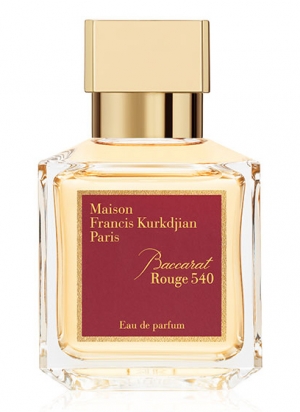
This note is valued by both renowned perfumers and major cosmetic brands. Masters like Francis Kurkdjian and Bertrand Duchaufour use it to create complex, atmospheric compositions. For example, in the fresh and optimistic Petit Matin by Maison Francis Kurkdjian, it adds sparkling fruitiness. More affordable brands such as Yves Rocher and Brocard also actively include it in their lines to add originality, as in the juicy Exotic Lemonade or delicate Vanille Blanche.
Combinations and Similar Notes
Litsea cubeba is a great team player. Its spicy-fruity character magnificently unfolds in duet with citrus fruits (bergamot, orange), other spicy notes (rosemary), and floral accents (neroli, jasmine). It creates amazing contrasts in compositions with rosewood or vanilla. If you are looking for alternatives with a similar woody-spicy aesthetic but a different character, pay attention to cedar (drier and resinous), cypress (green and balsamic), or juniper (cold and astringent).
Tips for Choosing a Fragrance with Litsea Cubeba
Perfumes with an emphasis on litsea cubeba are an excellent choice for active, cheerful people who appreciate non-standard and positive messages in perfumery. They are suitable for those who seek not a banal woody scent, but something more lively and playful. Such compositions are ideal for everyday wear, work, meetings with friends — they create a light, relaxed aura. When choosing, pay attention to how the note combines with your skin: its spicy-fruity facets can manifest differently depending on individual chemistry.
Conclusion: The Unique Character of Asian Exoticism
Litsea cubeba is a bridge between traditional Asian botany and modern perfumery art. It brings to perfumes not just a smell, but a whole range of emotions — from citrus vigor to spicy warmth. Whether in a complex niche composition or an affordable floral-fruity perfume, its presence is always recognizable and desirable. Explore the suggested scents with this note to fully experience its multifaceted, sunny character.